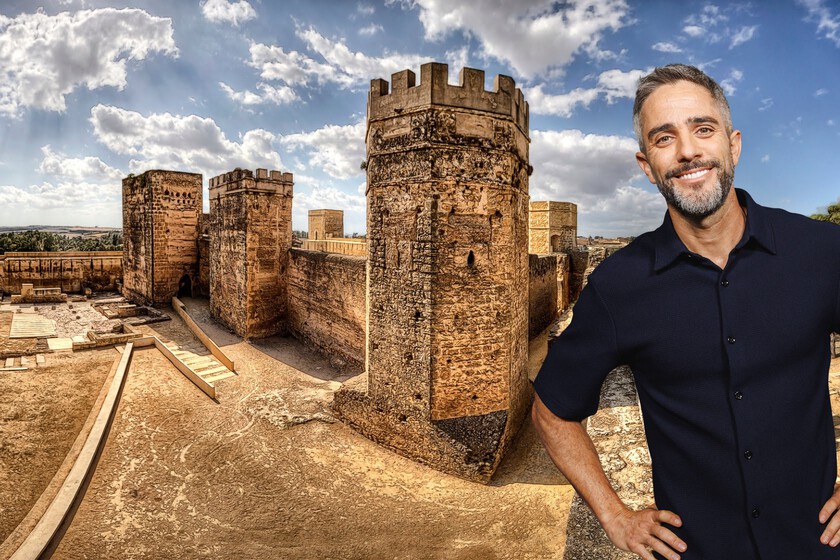
In the playground of Roberto Leal's school, a soda can could serve as a ball. It is one of the little battles that the presenter remembered when he returned with Albert Espinosa to Alcalá de Guadaíra to record his participation in 'The Road to Home'. Before the television contests and the sets, there were those breaks in this Sevillian city where he dreamed of being a soccer player, “it was very bad,” according to what he himself stated.
In that journey through his childhood he also remembered his father, who started working as a bricklayer when he was just 11 years old. When Leal's high school grades did not suit him, instead of getting angry, he encouraged him to study since he had not been able to do so. That conversation, according to the presenter, made him aware of the opportunities he had thanks to his parents' work.
Juan Luis Jimenez Lillo
With his mother, Mercedes Guillén, he would share another very different trip years later: the Antena 3 program 'We're going as a mother'. Together they visited destinations such as Istanbul, Edinburgh, Marrakech and Porto, combining conversations with challenges and adventures. Although, to know the place where the presenter grew up, you don't have to go that far but just head to a city a few kilometers from Seville.
The best thing about that television visit is that it allows you to approach the place from family memories and the daily life of one of its illustrious inhabitants, a perspective that is usually left out of the guides. There, the route can begin at the top of a hill and end next to the river that gives the city its name.
Nicolas Salguero
What to see in Alcalá de Guadaíra
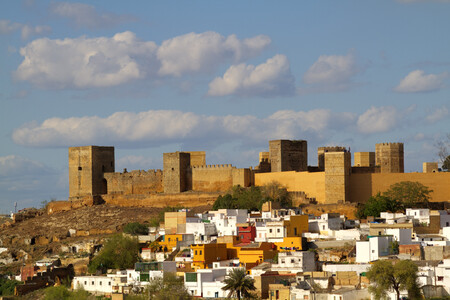
The castle marks the profile of Alcalá with its towers, walls and battlements. The hill on which it is located preserves traces of human occupation since the Bronze Age, although the fortress that we see today has its origins in the times of the Almohads, from the 12th century and in its later expansions. Above all, after the Castilian conquest of 1247, the site continued to transform. In 1280, Alfonso X founded the town on the eastern esplanade, so there were also streets and houses up there, although their layout is no longer visible.
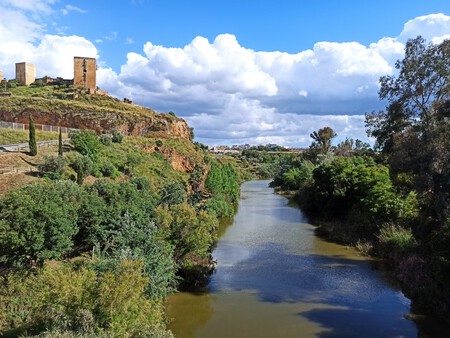
From this defensive complex, the visit can continue towards the Guadaíra to follow its bank upstream, from the area around the Dragon Bridge to the Aceña mill. The bridge itself deserves a special stop because its structure takes the shape of that fantastic animal that gives it its name, at the foot of the castle hill. It's a rather unconventional start to a walk between old industrial buildings.
Li Taipo
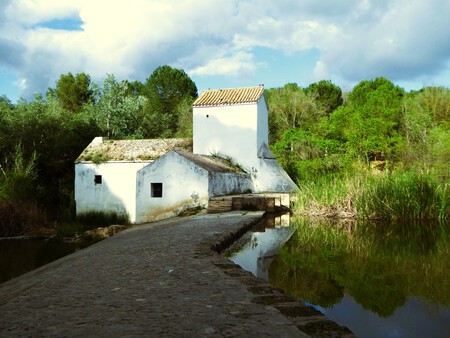
The mills tell why Alcalá is also known as Alcalá de los Panaderos. For centuries, the bread that supplied Seville came from here, transported first on the backs of mules and then by train. Water, wheat grinding and ovens were part of the same economy that left its mark on the landscape. Walking along the riverbank allows you to follow that history on the ground, with stops such as the Aceña mill or the Algarrobo mill.
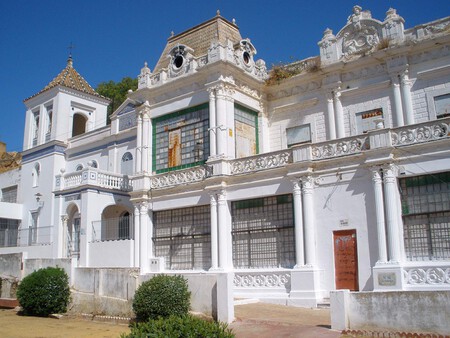
There is another mill whose location is worth a small detour: the Mina mill, preserved under the Gutiérrez de Alba Theater. It stopped operating in the 1920s and the theater was built on top of it. Currently, it is possible to approach the subsoil through a walkway and see the elements excavated in the rock and the bed of a spring.
Zarateman
What to eat in the city of bakers
The history of bread has a very practical continuation when it comes to sitting at the table. Bollos, teleras, molletes or regañás are part of the local repertoire. For those who want to delve deeper into that past, the old Guadaíra Flour Mill houses the Bakery Industry Interpretation Center and the tourist office: a stop that helps connect what we have seen by the river with what we later find in the bakeries.
Local cuisine also boasts gazpacho, fried fish, spinach, migas or stew with pringá. And it is worth leaving room for the pastries, especially the Alcalá cakes and filled sponge cakes. The visit can end in a candy store, choosing what to take home. After the castle and the mills, a tasting of sweets and carbohydrates is a great way to top off the getaway.
Cover photo | @robertolealg and Provincial Council of Seville
In DAP | On Monday, October 5, knives made of Damascus steel and walnut handles arrive at Lidl at the level of the best chefs
In Xataka | Lidl has the solution to wasted sockets behind furniture and sofas that allows you to charge several devices at the same time