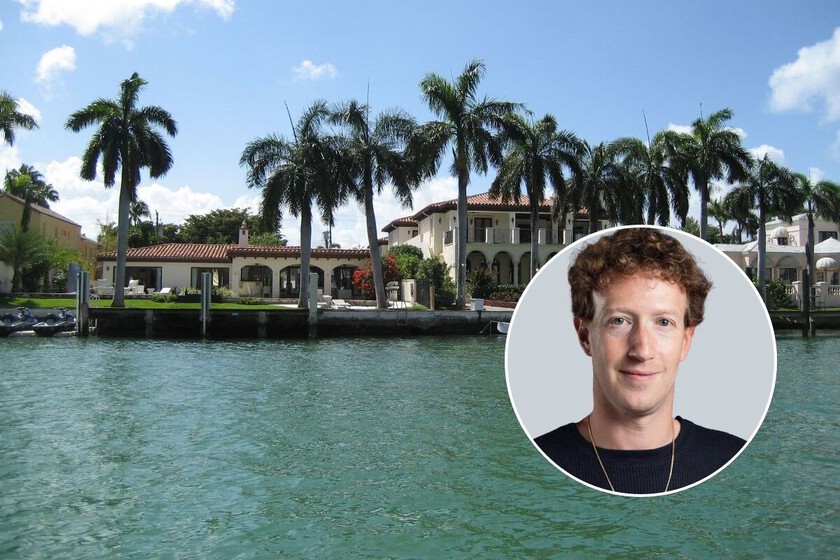
The world closely follows the evolution of international conflicts and, in a context of so much tension, the investments of some of the richest men on the planet arouse curiosity. The latest comes from Mark Zuckerberg, founder of Meta, who has acquired a luxurious property in Indian Creek, a small private island in Florida popularly nicknamed “the millionaire's bunker” for concentrating some of the most exclusive and protected residences in the United States.
The operation, valued at around 147 million euros at the exchange rate (170 million dollars), is one of the most important real estate sales registered in Miami-Dade County and reinforces the businessman's presence in one of the most exclusive enclaves in the North American country.
What is the “millionaires' bunker”, the island where some of the richest men in the world live
Indian Creek only has a few dozen homes, but its list of residents has made it one of the most coveted places in Florida. The island has restricted access, permanent surveillance and its own police force, a level of security that has earned it its nickname.
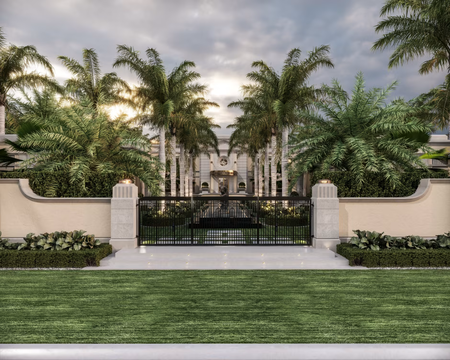
Ferris Rafauli Design
Its owners include some of the best-known names in the world of business and politics, such as Jeff Bezos and Ivanka Trump, who have chosen this enclave for the privacy it offers.
As reported by The Wall Street Journal, Zuckerberg has purchased a home with nine bedrooms and eleven bathrooms. The property initially went on the market for about 173 million euros ($200 million), although the purchase was finally closed for about 147 million euros.
It's not the only shelter he's building.
This is not the Meta founder's first major real estate investment. For several years now, it has been developing a gigantic residential complex on the island of Kauái, in Hawaii, a project that has sparked enormous interest for including a large underground shelter.
Various information published by Wired magazine, based on planning documents obtained through public records access requests, describes a complex designed with important security measures, including this underground shelter connected to the homes and a blast-resistant door.
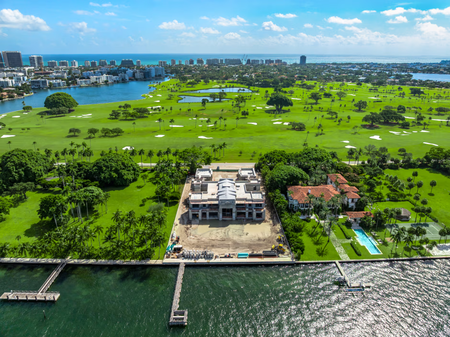
Oak Studios
The project also includes large residential areas, sports facilities, its own supply systems and other infrastructure designed so that the farm can function with a high degree of autonomy.
The bunker that Zuckerberg said was “like a basement”
The dimensions of the Hawaii complex fueled numerous speculations when the first details of the project came to light. However, Zuckerberg himself lowered those estimates during an interview with Bloomberg in 2024.
When asked about the underground shelter, he replied ironically that it was “a small shelter” and added that it was “like a basement”, minimizing the relevance of one of the most talked about parts of the construction.
Even so, the information published by Wired describes a property of enormous size that integrates both the main residences and the security infrastructure in a single complex with proportions equivalent to 65 times the area of Buckingham Palace. A detail that has scared some people when combined with news about geopolitical conflicts.
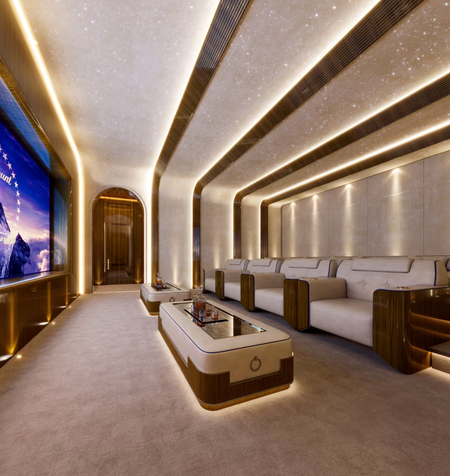
Ferris Rafauli Design
The rise of luxury refuges among high net worth
However, the purchase of this new mansion does not imply that Zuckerberg acquired it due to the current geopolitical situation, since there is no real evidence that links both circumstances. However, the operation once again puts on the table a trend that has been growing for years among some of the large international assets: investing in homes that combine privacy, security and the ability to be self-sufficient for long periods.
More than simple mansions, these complexes are conceived as authentic high-end refuges, prepared to offer protection against emergency situations without giving up all the comforts of a luxury residence. A philosophy that explains why places like Indian Creek have become some of the most exclusive (and expensive) real estate markets on the planet.
Cover photo | John Krulik and Meta
In Xataka | In 1997, they covered a wasteland in Costa Rica with 12,000 tons of orange peels. 16 years later no one recognized the landscape
In Motorpasión| Juan José Vicente, mechanic: “you don't have to leave the car parked with the wheels turned because you can have it end up in the workshop”