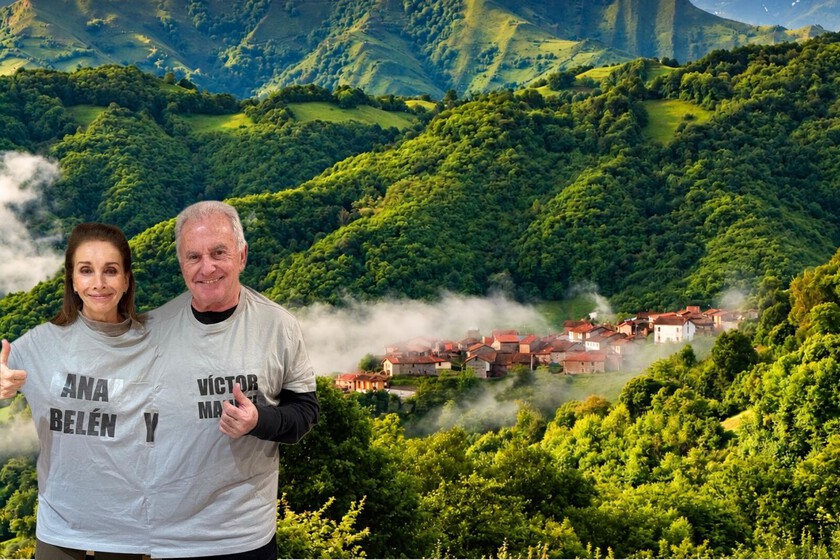
They are one of the most iconic and most perennial couples in all of Spain. They have been married for 54 years and had to travel the entire peninsula to end up together. Ana Belén and Víctor Manuel were born in two very different parts of Spain, but they ended up meeting in a hotel in A Coruña in 1971. Later, they met again on the filming of 'Morbo', where their chemistry was explosive. As fate would have it: they got married before filming finished.
The most traditional Lavapiés in Ana Belén
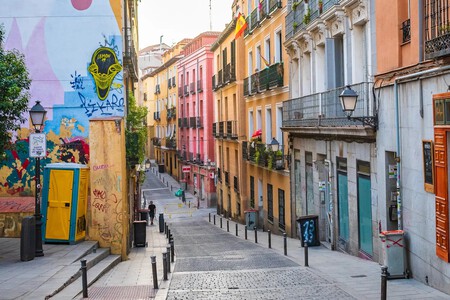
Ana Belén was born in the Madrid neighborhood of Lavapiés, one of the most cool and modern from all over Spain. It is the mecca of culture in all its variants and is known for having taken advantage of old historical buildings in the capital and converted them into art galleries and multicultural spaces. La Tabacalera, La Casa Encendida, the library of the Pious Schools of the 18th century, La Sala Equis that maintains scenery from its porn past are just some of them.
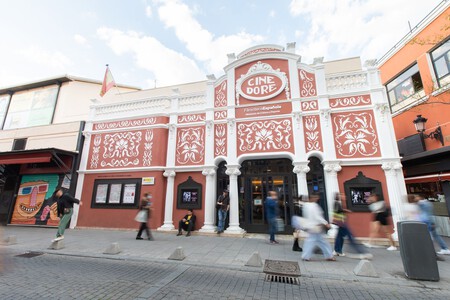
If these modernized places were not enough, in Lavapiés we find authentic artistic gems, such as the Doré Cinema and its beautiful modernist façade, which houses the Spanish Film Library inside. It also has theaters such as the Paón, the Nuevo Apolo or the Valle Inclán, as well as the Reina Sofía Museum with its Guernica, many art galleries on Doctor Fourquet Street and one of the oldest taverns: the Antonio Sánchez Tavern, where illustrious personalities such as Gloria Fuertes or Pio Baroja met since 1786. El Rastro or its beautiful flower market cannot be missed either. Lavapiés is the living essence of Madrid.
Mieres, the mining town where Víctor Manuel was born
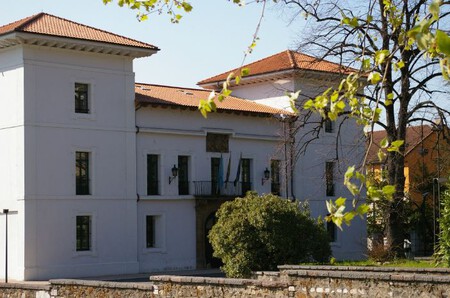
Palace of the Marquis of Composagrado
Mieres is a small Asturian town hidden in the mountains with its mining roots well established. During the 19th century, the mining industry transformed the area, leaving historical vestiges that remain to this day, such as the Mining Town of Bustiello, the old Mosquil mine or the headquarters of the Mieres Factory, which opened in 1840 to work coal and is now a university campus.
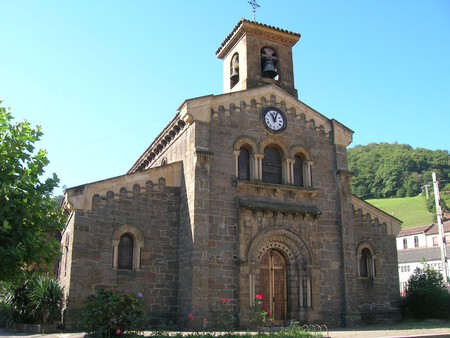
Church of Santa Eulalia de Ujo
But Mieres' story goes further. Settlements from the Iron Age, Roman times and the Middle Ages have been found on its edges, especially due to its connection to the Camino de Santiago. All of this has left an iconic monumental heritage, such as the Palace of the Marquis of Composagrado, the Church of Santa Eulalia de Ujo, the Casa Duró and the Town Hall.
From A Coruña to Gibraltar and Tangier to get married civilly
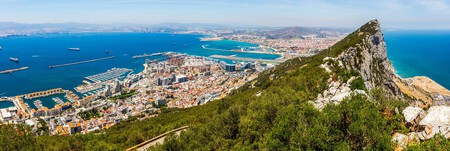
A year after falling in love, they got married so that their parents wouldn't be upset by living together without going through the altar. They decided to get married civilly, but at that time in Spain it was very complicated. “We had to apostatize from the Catholic religion as baptized people and to do so the priest who had baptized us had to first have a conversation with each of us to try to convince us how wrong we were in taking that step,” Ana Belén said in an interview. That's why they went to Gibraltar.
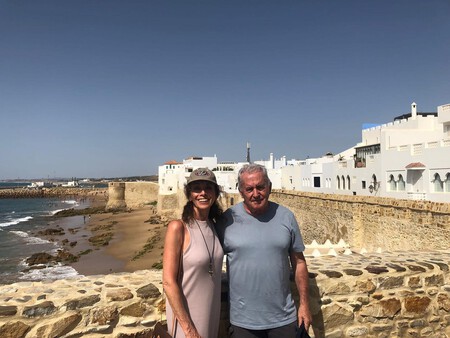
“Celebrating… Return to Tangier.”
However, getting to the British colony in southern Spain was not easy, because at that time the crossing was closed. Therefore, they crossed to the rock from Tangier and, after the wedding, returned to Morocco for their first wedding night. Recently, the couple returned to the Moroccan city to celebrate their anniversary. To date, they have not legalized their marriage in Spain.
Currently, the couple lives in a three-story villa in the Prosperidad neighborhood of Madrid. A midpoint between the urban chaos of the capital and that farm they had in Torrelodones, away from everything.
In DAP | Mario, 23 years old, left Valencia to open a bar in a town with less than 100 neighbors: “Success is not having to leave.”
In Xataka | If Spain believes that velutinas are a problem, it is because it does not know what the US has found: radioactive wasps.