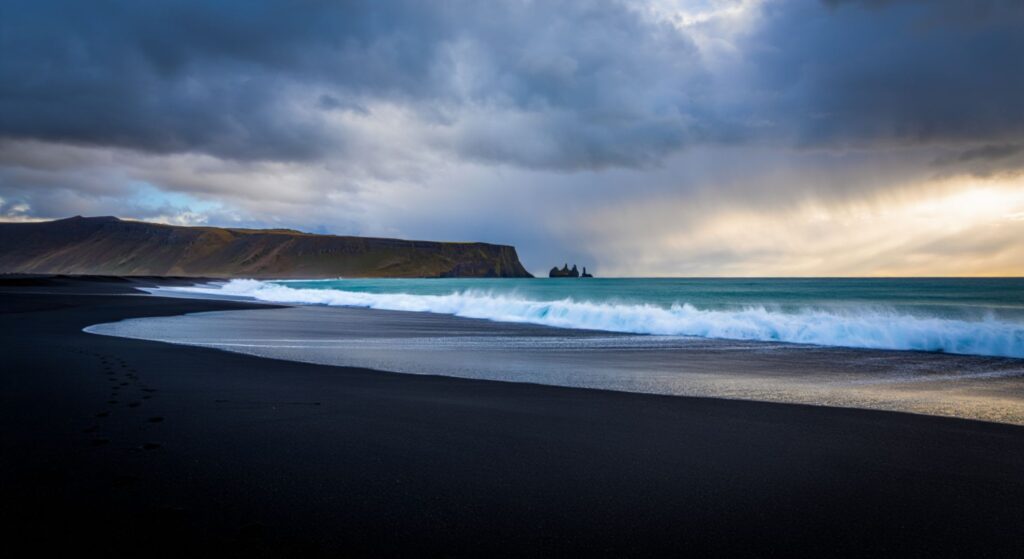
The rumor travels faster than the wind in the Roaring Forties, whispering about a white arc of sand that feels like the end of the world. You won’t find cafes or tour buses here, only surf-lashed silence and the long, low hiss of a tide that never seems to end. “It feels like the edge of the map,” a local hiker once said, and that’s as close to a guidebook entry as this place will get.
Where You’ll Actually Find It
This hidden stretch sits on Rakiura, better known as Stewart Island, across the Foveaux Strait from the South Island’s southern tip. The beach runs for nearly twenty kilometers, guarded by enormous dunes that shift like cathedrals in the wind and hold the night sky like a polished bowl of stars. It’s geographically simple yet spiritually enormous, the sort of place that shrinks your voice and expands your breath.
Getting There Isn’t Complicated, Just Committed
There are three classic routes, each a different flavor of effort. Some tramp in from Oban via sections of the North West Circuit, a multi-day commitment that leaves town life far behind. Others take a water taxi to Freshwater Landing, then slog the boggy, boardwalked track to the bay’s back door. When tides and weather line up, small aircraft sometimes land on the hard sand, skimming in at low tide like a seabird returning to an old haunt. “Your plan is a suggestion and the weather makes the decision,” as one pilot likes to joke.
What It Feels Like When You Arrive
The first thing you notice is the space, an almost physical presence that pushes on your ribs. The second is sound—not people, but sea, wind, and distant birdsong threading the dunes like thin smoke. On a clear night the Milky Way feels embarrassingly close, a river you could step into if you found the right stone. No shops, no cell signal, no distractions, just your own pulse and the ocean’s slow breathing.
Dunes, Light, and the Art of Looking Slowly
The dunes are alive, sculpted by wind into ridges that look permanent until a single gust redraws them. At golden hour, the light hits the sand like poured honey, and footprints become brief stories. “Don’t treat the dunes like a playground,” the trail signs effectively warn. Stay on marked tracks and you’ll see delicate plant communities, some clinging to life with thrilling stubbornness.
Wildlife You Might Meet
This is kiwi country, and on still evenings the Stewart Island tokoeka sometimes wanders the open grass. If you’re lucky, you’ll hear that soft rustle before you see a shadow bobbing through tussock like a small, intent ghost. Keep your distance, dim your torch, and let the bird own its own story. You may also glimpse New Zealand sea lions draped like boulders at the water’s edge—give them the room they always deserve. Out to sea, sooty shearwaters orbit like living commas, stitching the horizon with effortless grammar.
When to Go
Summer brings longer days, but also more sandflies and the occasional hot, hammering sun. Winter is colder, clearer, and exquisitely lonely, with stars that feel almost too many to hold. Shoulder seasons can be a sweet spot of cooler air, fewer people, and moody, cinematic light. Whatever the month, plan for rain, wind, and sudden change, because that’s the price of this kind of beauty.
What to Pack, No Excuses
Even on a “good” day, conditions can shift from postcard to stern lecture. Bring the basics, then bring a little more.
- Waterproof layers and warm insulation
- Sturdy boots and dry socks
- Tide tables and a reliable map
- Extra food, water treatment, and a headlamp with spare batteries
- Insect repellent and sun protection
- Emergency gear, ideally a personal locator beacon
- Respect for wildlife and a pack-out-your-rubbish mindset
How to Be a Good Guest
Stay on marked tracks, because every shortcut is a cut through something fragile. Give wildlife space measured in tens of meters, not in the reach of your lens. Fires are a bad idea, and drones are worse in sensitive nesting seasons. Clean your gear before you go, because seeds and spores hitch rides more often than we notice. “Respect the dunes; they’re alive,” says a well-placed sign—and it’s more instruction than poetry.
Why It Matters That It’s Hard
The difficulty is not a gate, it’s a gentle filter. Fewer footprints mean more silence, more chances for kiwi to pad across their own land without dodging our restless curiosity. The challenge is the point, turning a simple beach visit into a memory with muscle and weather in it. You work to get here, the place works on you, and somewhere between those exertions you become briefly, necessarily small.
If you go, go with humility, and leave with only the kind of story that doesn’t weigh down the sand. As one walker whispered into the wind, “I came for the remoteness, and found I’d packed too much noise.” That’s the gift you didn’t know you were coming here to receive.

Don’t forget to mention the tones of plastic washed up on the beach