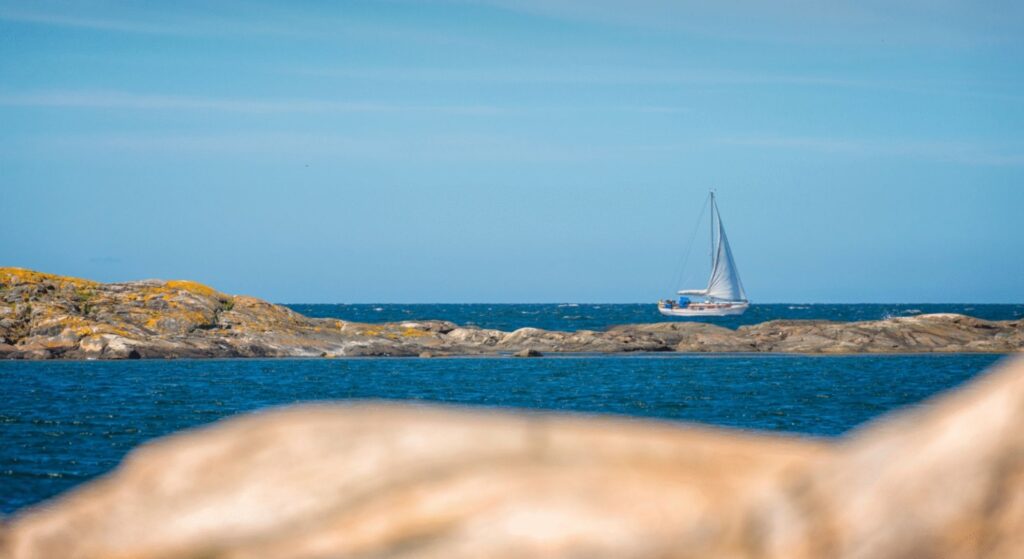
Sweden is known for endless forests and mirror-like lakes, yet there’s a lesser-known Baltic island quietly stepping into the spotlight. Remote, rugged, and remarkably peaceful, this place could be Europe’s next sanctuary for travellers seeking space and stillness. For Kiwis, it’s the kind of destination that feels both familiar and foreign, like discovering Rakiura’s soul in a Nordic light.
A place time forgot
On this island, tiny fishing villages nestle against dark green woods, and wave-cut cliffs drop straight into the sea. The biggest luxury is silence, a soft hush broken by gulls, wind, and the rhythm of the Baltic. Walking here feels unhurried, as if the clock runs on island time and the sky is permanently wider.
Sea mist rolls over heathlands, then clears to reveal cobalt water and pale limestone outcrops. Locals stack driftwood fences and dry nets beside weathered boathouses, giving the shore an almost museum-like calm. At night, the stars are startlingly bright, and the darkness is truly dark.
Why this island is gaining attention
Travelers are arriving for simple reasons that feel refreshingly pure:
- Pristine nature: wild shorelines, dense forests, and few built-up resorts.
- Distinct culture: maritime traditions, artisan crafts, and hearty coastal fare.
- Soft adventure: coastal hikes, sea-kayaking, and superb birdwatching.
- Deep unplugging: slow days, long conversations, and natural digital detox.
Every element adds up to an experience that feels authentic rather than arranged, and sustainable rather than extractive.
How it differs from Europe’s classics
Think less sun-lounger crowds and more wind-brushed headlands. Instead of souvenir strips and nightclub lines, expect farm stands with smoked fish, cosy cafés, and paths that meander through pine and juniper. Prices are often reasonable away from peak season, and the atmosphere feels purposefully uncrowded.
Compared with Greek caldera views or Spanish beach resorts, this island trades spectacle for serenity. It’s a place where the showstopper is the way the light hits the sea, or the quiet joy of finding a ribbon of empty sand between boulders.
Voices from the island
Residents have long protected their landscapes and their gentle pace of life. That care informs every conversation about welcoming visitors, from accommodation limits to trail maintenance and wildlife protection. As one local put it, “We want to share our island with the world, but not lose what makes it special.”
That sentiment resonates with New Zealanders who value kaitiakitanga-style stewardship and know that fragile places need respect as much as enthusiasm.
Best time to go from New Zealand
The island shines in the Scandinavian summer, when days are long and evenings stretch into a lingering, golden twilight. June to August brings the warmest weather, lively food shacks, and straightforward ferry timetables. Shoulder seasons in May and September are quieter, cooler, and great for photographers chasing crisp light and moody seas.
Water is brisk year-round, but hardy swimmers still take the plunge off smooth rocks and sheltered bays. Pack layers for variable conditions, and expect the breeze to carry a hint of salt even on sunny days.
Getting there and getting around
From Aotearoa, you’ll connect through Asia or the Middle East, then continue to a Swedish hub before a domestic hop and ferry. The final leg feels like a small pilgrimage: a purposeful journey that tunes you to island rhythm. On arrival, buses link villages, but bikes and boots are king on quiet lanes and forest trails.
Accommodation skews small and personal: family-run inns, cabins tucked into woods, and a handful of design-forward stays that tread gently on the land. Book early for peak summer, and consider shoulder periods for extra space.
Culture, food, and simple pleasures
Meals highlight sea and soil: smoked or pickled fish, rye bread, new potatoes with dill, and wild berries turned into jams and desserts. Cafés pour strong coffee, and bakeries sell buttery pastries that pair perfectly with a windy shoreline walk. Museums and chapels whisper maritime history, while craft shops stock ceramics, textiles, and carved wood.
English is widely spoken, and Sweden’s near-cashless systems make tap-to-pay easy. The local mood is friendly but quietly reserved, so a warm smile and patient pace go a long way.
Travelling lightly, the Kiwi way
- Stick to marked trails to protect fragile flora and nesting birds.
- Leave no trace, pack out rubbish, and go easy on scarce island resources.
- Support small businesses by choosing local guides, makers, and seasonal produce.
- Embrace slow travel: fewer moves, longer stays, deeper connection.
This approach mirrors Sweden’s outdoor ethos and keeps the island’s magic intact.
A quiet beacon for the future
As overtourism nudges travellers to new horizons, this Baltic refuge offers something more meaningful than a postcard tick. It invites you to listen—to wind, to water, to your own breath—and remember what travel can feel like when the agenda is simply to notice. If you’re craving a Europe that still feels wild and welcoming, this Swedish island might be your next great escape.