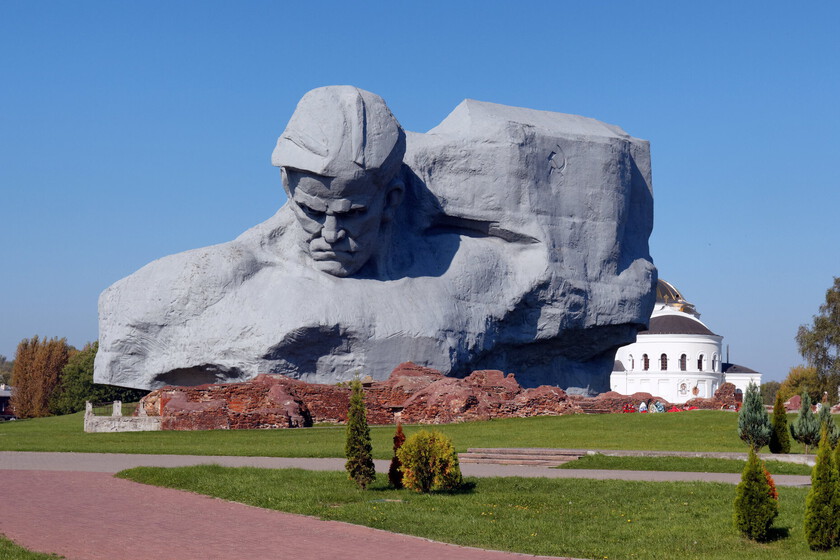
Not all countries are visited for their beaches with crystal clear waters and eternal summer or to do a check from the list of must-see Instagram destinations. If you like different trips with a little added emotion, Belarus is a very interesting option because it is considered the last dictatorship in Europe. This has meant that the country is trapped in a kind of Soviet time capsule where the monumental avenues, the virgin forests and the most uncomfortable history of Europe continue to coexist as if it were the 20th century.
Of course, it must be taken into account that, although it is not at war, it acts as a key ally of Russia in the war against Ukraine, providing infrastructure and allowing the deployment of Russian troops on its territory. If Belarus is called “Europe's last dictatorship” it is due to the long mandate of Alexander Lukashenko, in power since 1994, with whom the country retains an authoritarian political structure, characterized by strong state control, a persecuted opposition and a national identity strongly marked by the Soviet heritage.
Pxhere
And yet, reducing Belarus to just that would be oversimplifying a place full of contradictions. One where fairytale castles survive, Jewish villages almost erased from the map and European memory, specialty cafes worthy of Berlin and forests where wild bison still live.
What to see and do in Minsk, its modern-Soviet capital
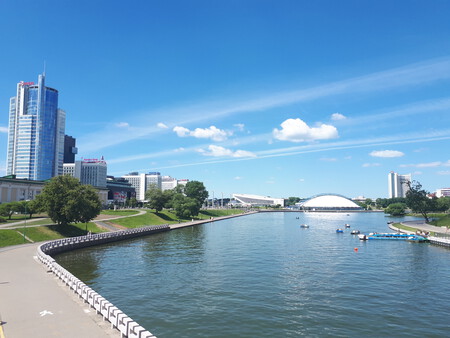
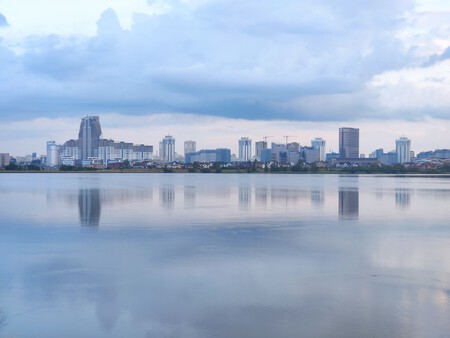
If there is something fascinating about landing in Minsk, it is feeling that Europe can be so different. The Belarusian capital does not have the messy charm of other Eastern cities but is clean, geometric and almost theatrical. Much of the city was rebuilt after World War II and that is why its avenues seem designed specifically to allow military parades to pass.
Palsciuk
Likewise, its buildings retain that Soviet gigantism that intimidates and seduces at the same time. Although under that recent history book aesthetic there is also a young city, full of cafes and bars and a surprisingly lively nightlife.
There begins one of the biggest surprises of a trip like this, because Belarus does not resemble the gray imagination that many of us associate with countries with a Soviet past. It is something that is noticeable even in gastronomy and in the restaurants where they serve reinterpreted local cuisine. The star dish, however, remains the draniki, their famous potato pancakes. Also strong soups, black rye bread or kletski stuffed with meat and potato.
Pxhere
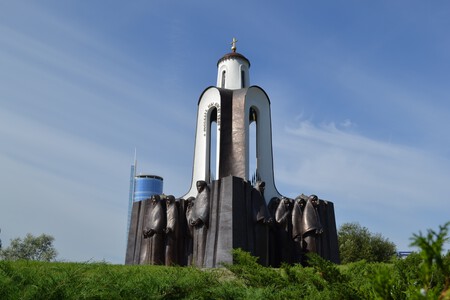
A little more than half an hour from the capital is the Stalin Line Museum, a gigantic open-air complex full of tanks, bunkers and Soviet relics that looks like a hybrid between a historical museum and a military theme park. More moving, however, is the Jatyn Memorial, built in memory of the villages devastated by the Nazis during World War II. Belarus lost around a quarter of its population during the conflict and that trauma is still very present in its identity as a country.
The Belarus of lakes and empty roads
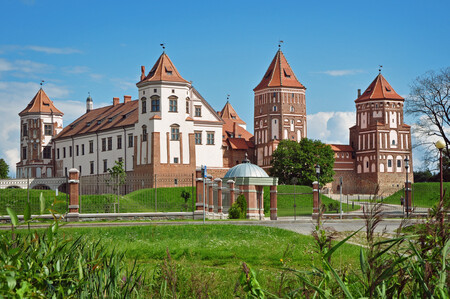
The landscape changes radically when one leaves the capital and the Belarus of lakes, empty roads and towns where time passes at its own pace appears. Mir Castle and Nesvizh Castle, both World Heritage Sites, emerge in the middle of the landscape as if someone had decided to hide small pieces of Central Europe in the middle of the Slavic world. For centuries they belonged to the Radziwill family, one of the great aristocratic families of Eastern Europe, and they still retain that mixture of opulence and melancholy of places with too much history.
Вадзім Новикаў
Further west appears Brest, probably the friendliest city in the country. It has cobblestone streets, quiet parks and an unexpectedly Central European feel that breaks with the Soviet monumentality of Minsk. However, very close is the famous Brest Fortress, which has become a symbol of Soviet resistance against the Nazi invasion. Its enormous brutalist monuments have something excessive and moving at the same time, like almost all the aesthetics of the former USSR.
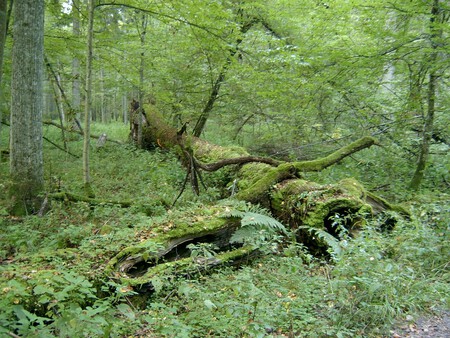
And then there are the forests. Belarus has more than 11,000 lakes and about 40% of its territory is covered in forest, something that completely transforms the trip. The great natural emblem is the Belovezhskaya Pushcha National Park, one of the oldest primary forests in Europe and home to the last great wild symbol of the continent: the European bison, seeing one is almost like witnessing a mythological apparition.
Ralf Lotys
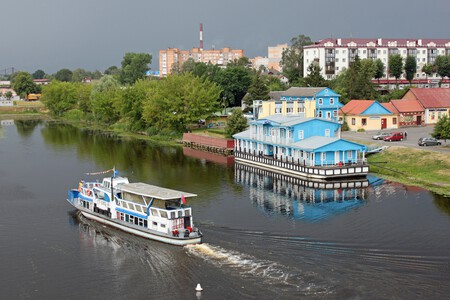
Before World War II, Belarus was full of shtetls, or small Jewish villages. The Holocaust practically erased that universe, although cities like Pinsk still preserve traces of that heritage.
How to travel to Belarus
There are no regular direct flights from Spain at this time. Connections are usually made from other nearby cities such as Istanbul, Belgrade or some countries in the Caucasus, although routes can change frequently due to the international political situation and European sanctions. Before organizing the trip, it is advisable to consult the official information from the Spanish Ministry of Foreign Affairs. In addition to reviewing the updated entry requirements.
Liilia Moroz
Belarus is a country stuck between Europe and something else that is more difficult to define. A place where the weight of empires, wars and ideologies is still felt… but where there are also bison crossing ancient forests, hidden cafes full of students and castles reflected in lakes of pure water. There is nostalgia and political control, but also curiosity and hospitality. And precisely that mix is what makes this trip so different without having to go to the other side of the world.
Cover photo | Alexxx Malev