On many occasions we make the enormous mistake of taking Segovia for granted, because it is close and it is not an idyllic coastal place. However, in Segovia there are some incredible medieval towns that stood still in time, oblivious to modern life. Cuéllar is one of the most surprising, declared a Historical-Artistic Site and perfect for an express one-day getaway from Madrid.
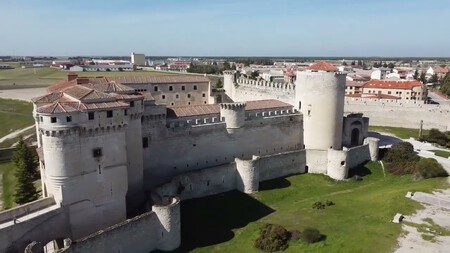
This medieval Segovian town is not as popular as Ávila, but its castle and walls compete in beauty, history and good conservation. Not in vain, both are National Artistic Monuments and living witnesses of a population where Jews, Arabs and Christians coexisted in harmony. A confluence that Cuéllar can boast of in his dozen churches.
The Castle and the walls of Cuéllar
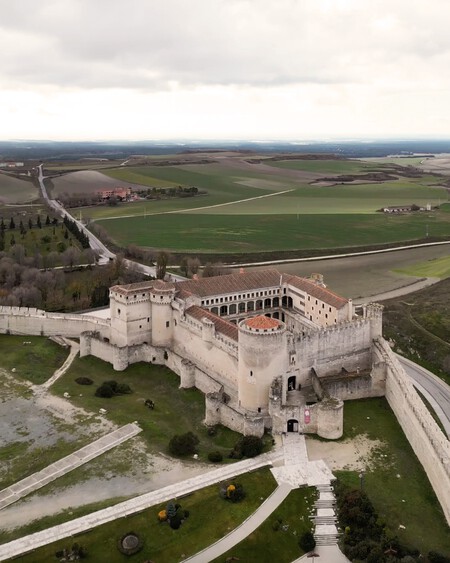
The Castle-Palace of the Dukes of Albuquerque is the most emblematic building of this Segovian town and it is not surprising: its enormous towers and its parade ground are imposing and are so well maintained that they make us feel in the 14th century, when this fortress was built. It is currently an institute, but you can visit it by paying an entrance fee of 4.50 euros.
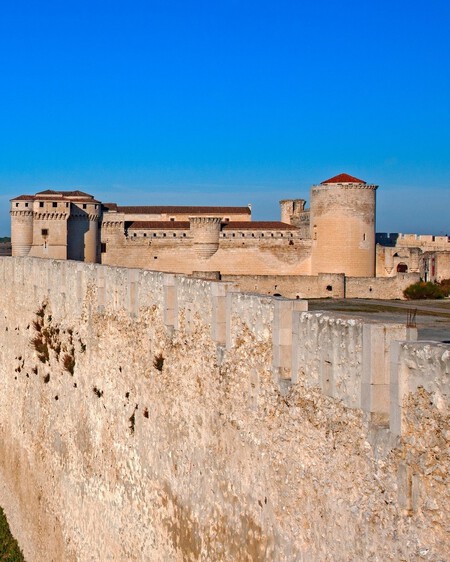
By itself, this castle and its battlements convey a very powerful medieval power. However, the fully restored walls take Cuéllar's postcard to the next level: that of an open-air historical museum. In total, the town has two walled enclosures that were completed in the 16th century.
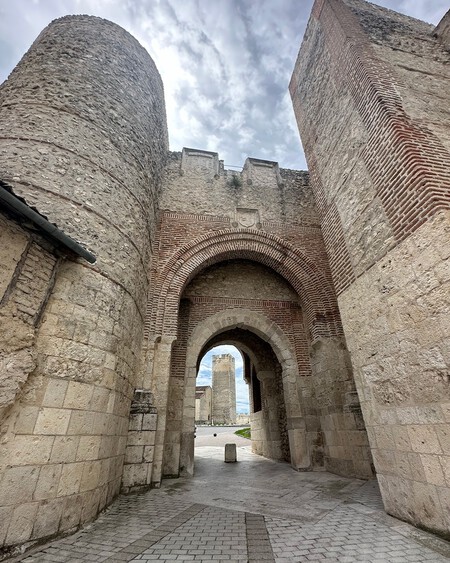
Saint Basil's Gate
Both can be walked in their upper area, with beautiful views of the sea of pine forests. In addition, four of the twelve original doors are still standing: the Puerta de San Basilio, the Puerta de Santiago, the Arco de San Martín and the Puerta de San Andrés.
The sea of pine forests
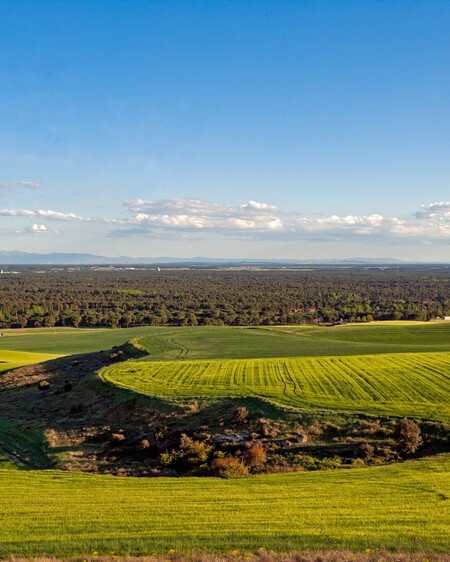
Cúellar is a town with a lot of Mudejar architecture and surrounded by the largest area of resin pine in Europe. For this reason, any high point in the town has impressive views towards a thick green horizon, which extends to the limit of our vision and has given this place the nickname “Mudejar island”.
The citadel of Cuéllar
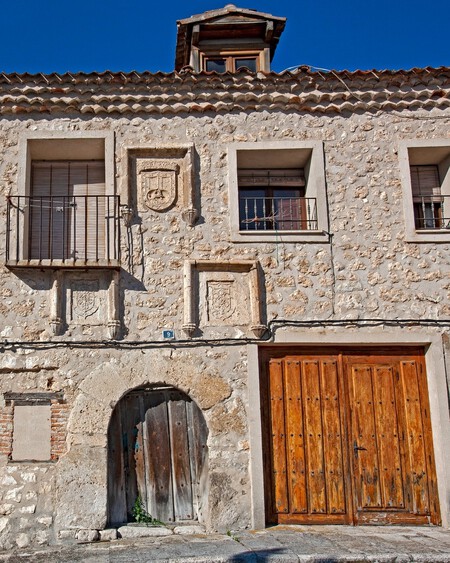
Grammar Study
The historic center of Cuéllar is an amalgamation of medieval, Muslim and Jewish buildings that give this town a very special and different monumental character. Its alleys, squares and fountains are surrounded by emblazoned houses made of stone masonry or half-timbered buildings on whitewashed walls, creating a feeling of time travel for any visitor.
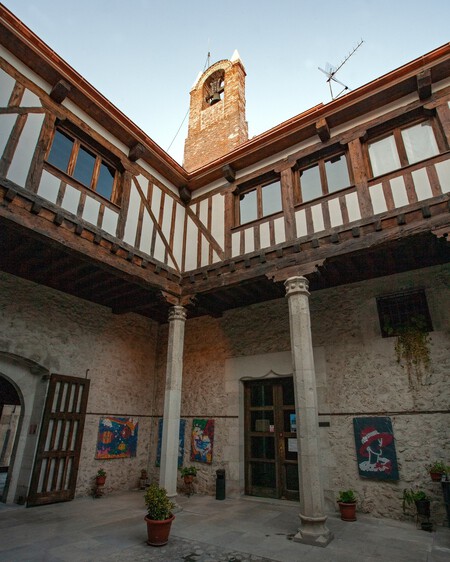
Cuéllar City Council
The ideal thing within the Citadel is to get lost and let our feet take us to such incredible corners as the Jewish Quarter, the beautiful Grammar Study with Renaissance style from the 15th century, the Palace of King Don Pedro I and its civil Romanesque architecture or its Plaza Mayor, where we can see the Old Prison converted into the Town Hall and try mondejo, a typical pig tripe stew from the region. Or eat a good suckling pig, the most popular Segovian dish that exists.
The town with twelve Mudejar churches
If the Castle and the walls were already a safe bet, Cuéllar increases its attractiveness even more with religious temples. There are twelve churches in this town alone and all of them are spectacular. Don't fear, they are very close to each other and you can visit them all on the same day.
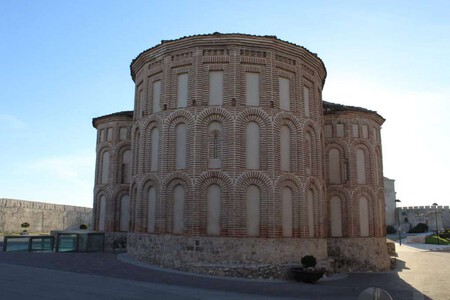
St. Martin's Church
The most notable is the church of San Martín, built in the 12th and 13th centuries very close to the castle and declared a National Artistic Monument, due to its very pure Mudejar style. It is one of the biggest tourist attractions in the town and today houses the Mudejar Art Interpretation Center.
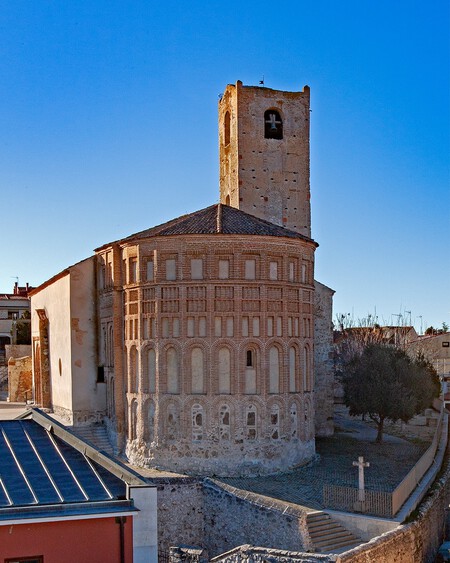
St. Stephen's Church
Another well-known one is the church of San Esteban, located in the upper area of the town with its enormous apse challenging the horizon. Its red and white architecture maintains arches, coffered ceilings and friezes. In addition, it is part of an archaeological park of tanneries, snow pits, food silos and anthropomorphic tombs.
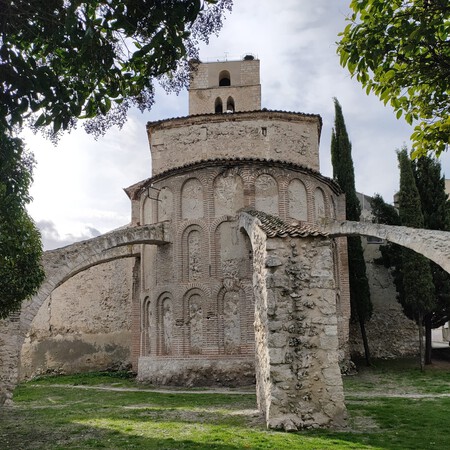
Church of El Salvador
It is followed by monuments such as the church of San Andrés, with a Mudejar apse and a perfect floor plan, which has been maintained since the 13th century. There is also the 11th century church of San Pedro, whose tower was a defensive bastion; or the church of El Salvador, with a very slender tower right at the foot of the temple.
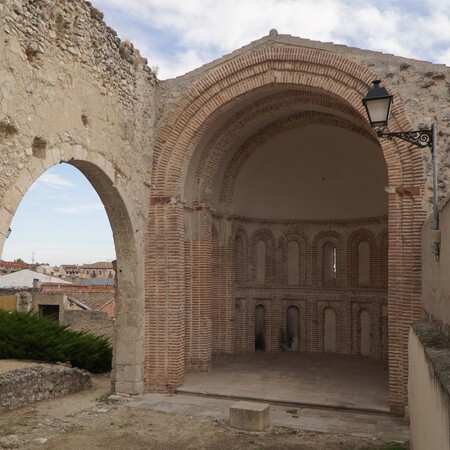
Church of Santiago
You can continue until you get tired, because Cuéllar has plenty of churches: the church of San Miguel, the Chapel of Magdalena, the church of Santa María de la Cuesta, the church-tower of Santa Marina, the church of La Trinidad, that of Santo Tomé or the church of Santiago, of which only its apse remains and allows you to appreciate the old arches with views of the sea of pine trees.
A good collection of convents
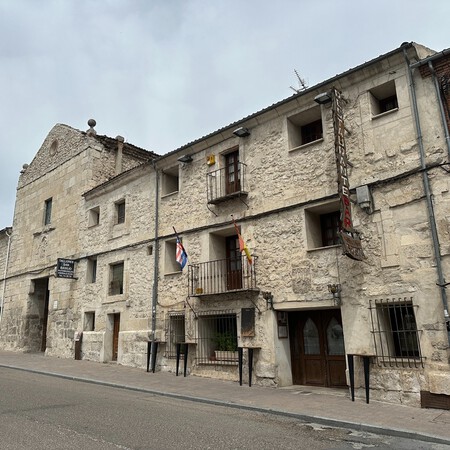
Convent of Saint Basil
In Cuéllar there are also historic and beautiful convents that remain in perfect condition, despite dating from the Middle Ages. Some examples are the convent of San Basilio from the 17th century, the convent of Santa Isabel from 1571, the Gothic-style convent of the Trinity or that of the Concepción.
Cuéllar is proof that we do not need to take vacation days or international flights to disconnect away from home. All we have to do is take a car or train and escape to spend a day of history, culture and nature in a new place, among emblazoned houses and alleys that still live frozen in time.