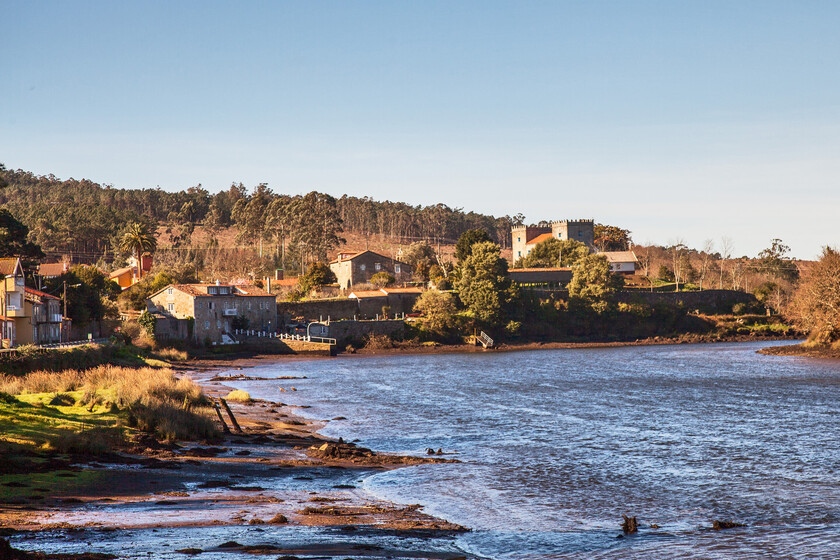
Although the Costa da Morte is becoming less and less unknown, there are still places that manage to escape the logic of rapid tourism, the lists of essentials and the queues to take a photo. The town of Porto de Cereixo belongs to this category.
Located next to the mouth of the Rio Grande, between Camariñas and Vimianzo, its urban center is only made up of a few streets, but they contain a large amount of history, traditional architecture and silent landscapes to disconnect without realizing it.
Far from the spots typical that one expects to find no matter what in a coastal town, here there are, instead, gigantic granaries, manors with a medieval air, tidal mills and the feeling of discovering the most intimate and least domesticated Galicia.
What to see in Cereixo: manors, Romanesque churches and a unique tide mill
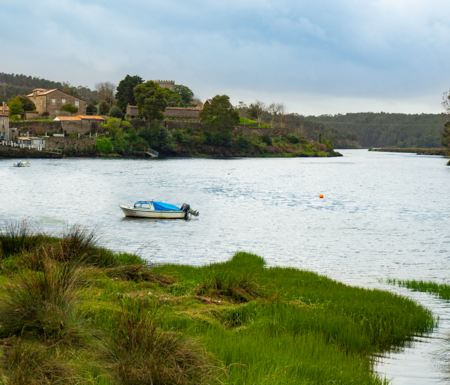
The best thing about Porto de Cereixo is that everything seems connected by the same thread: the river, the stone and the seafaring memory of the place. The walk to discover this town almost inevitably begins in its small port, which gives the town its name and preserves that quiet charm of fishing villages.
Xunta de Galicia
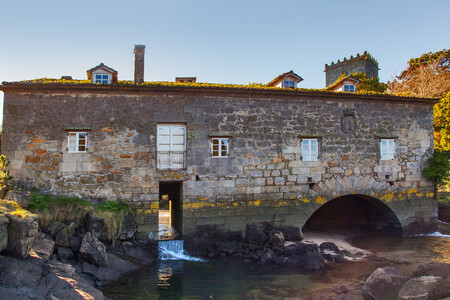
From there it is easy to reach the historical complex formed by the river walk, the tide mill, the Torres de Cereixo and the parish church of Santiago. The old tide mill (known as Muiño das Torres) is one of the most unique elements of the place. Its origin dates back to the 17th century and today it continues to explain without words how life linked to the tides and the river once worked in this part of Galicia.
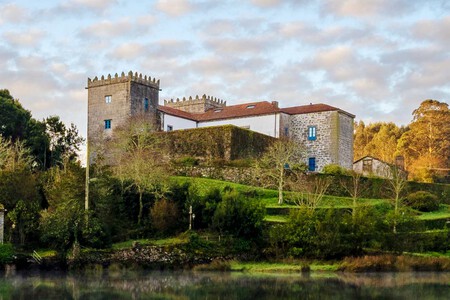
Nearby rise the Torres de Cereixo, a stately manor house rebuilt in the 17th century that preserves a marked defensive aspect with its two crenellated towers and the noble shields over the entrance arch. Although the interior cannot be visited because it is private property, the exterior still has something cinematic about it, especially on days of fog or light rain, when the stone seems to merge with the landscape.
But the great heritage jewel of the town is probably the Parish Church of Santiago de Cereixo, a surprisingly well-preserved 12th century Romanesque church. Its southern tympanum represents the so-called “Translatio”, the transfer of the body of the Apostle James by boat from Palestine to Galicia. The uniqueness of this scene is enormous because it is a practically unique representation within the European Romanesque and gives a clear clue to the importance that Cereixo could have had as an ancient port of arrival for pilgrims.
Costa da Morte Tourism
The town is also worth visiting without lists or a map, simply observing its stone houses with balconies, many of them linked in the past to noble families and port businesses. Among all, Villa Purificación stands out, where one of the longest granaries in Galicia is located, 26 meters long. More than a decorative element, it was the physical demonstration of the economic power of the area and the enormous amount of cereal that was stored here for centuries.
Where to eat delicious and cheap in Cereixo and surroundings
In towns like Cereixo, eating well is usually not complicated. The difficult thing is choosing between seafood, Galician meat, empanadas and other homemade and authentic dishes that are increasingly difficult to find.
One of the most recommended options in the area is the Edreira Restaurant, well known for its grilled meats and the generous portions typical of Galician barbecues. It has good ratings and reasonable prices for a hearty meal on the Costa da Morte.
For something more informal but practical and quick after a route through the area, the Risco Burguer & Pizza menu combines hamburgers, pizzas and mixed dishes in an especially comfortable environment for families or groups.
Xunta de Galicia
It may also be worth visiting Celme Café, a simple but highly rated place by travelers and residents of the area, perfect for breakfast, tapas or a rest stop before continuing to explore the region.
What to do around Cereixo
One of the advantages of escaping to Cereixo is that many of the great landscapes of the Costa da Morte are very close. A few kilometers away is Camariñas, with its fishing port, its traditional lace and the spectacular Cape Vilán, one of those places where the Atlantic is the protagonist.
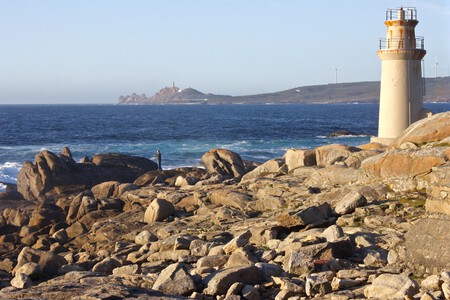
Towards the north, Muxía continues to be one of the most special getaways in all of Galicia. The Santuario da Virxe da Barca, suspended on the rocks facing the ocean, retains a unique atmosphere even when it is full of visitors.
Trevor Huxham
And if what you fancy is inland nature, the municipality of Vimianzo has several interesting corners to combine with a visit to the coast, from its medieval castle to ethnographic spaces such as the Muiños and Batáns do Mosquetín, where Galicia once again feels deeply rural, humid and silent.
Cover photo | Xunta de Galicia