For decades, mackerel was classified unwritten as “poor man's food.” In fact, even in post-war times, almost no one gave it value. However, times have changed and it is no longer an underrated fish. Also called xarda or verdel, it has an extraordinary nutritional profile with which it is earning a well-deserved place, both in everyday cuisine and in the most refined gastronomy.
An accessible superfood
Unlike “renowned” fish such as salmon, mackerel combines premium properties with low cost. It is rich in high-quality proteins, provides all the essential amino acids and is lighter and easier to digest than other more popular foods, such as red meat. This makes it ideal for people of all ages and conditions.
The true treasure of mackerel is its omega-3 fatty acids (DHA and EPA), being one of the oily fish with the highest levels of both combined. DHA contributes to memory and the proper functioning of the nervous system, while EPA protects the heart, helps reduce inflammation of blood vessels and lowers triglycerides. It also contains vitamin B12, essential for the formation of red blood cells; vitamin D, key for bones and the immune system; and minerals such as iodine, calcium and phosphorus, important for metabolism and bone health.
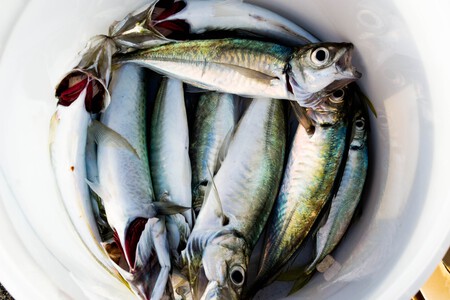
Pxhere
Less mercury and heavy metals
Another point in its favor is the food safety it presents. Being a small fish, mackerel accumulates much less mercury and heavy metals than other larger fish. This is a fact that allows us to include it in the diet several times a week, between two and three servings, without health risks.
Whether fresh or frozen, canned or natural, it is a quick and nutritious option to solve a meal. Above all, canned mackerel is a lifesaver for dinner. Simply open the packaging, add the fish to a salad and finish with a touch of extra virgin olive oil.
However, not all cooking methods preserve the nutrients of mackerel in the same way. To make the most of the omega-3 and avoid excess fat or sodium, the ideal is to bake it or grill it. In this way, we not only preserve the fatty acids but also do not abuse the oil.
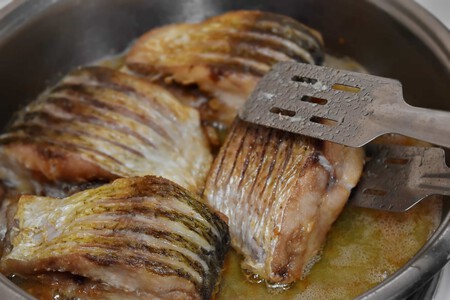
Bicanski
It is also a good idea to steam or boil this fish because it maintains moisture and texture, as well as preserving vitamins and minerals. On the contrary, it is advisable to avoid fried foods and overdoing it with salt, as they can degrade omega-3s and increase the sodium content unnecessarily.
Mackerel shares history with other shellfish and fish that were considered humble, such as barnacles, crabs or coquinas, but which today are valued for their flavor and nutritional contribution. Although, at the moment, this fish does not reach the status of delicatessenis increasingly appreciated by chefs from countries such as Italy, the United States or Poland.
Mackerel proves once again that humble foods can be extraordinarily nutritious. Its combination of protein, omega-3, vitamins and minerals makes it an ally for memory, heart and general well-being. In addition to being pocket-friendly due to its affordable price.
Cover photo | Richard L.