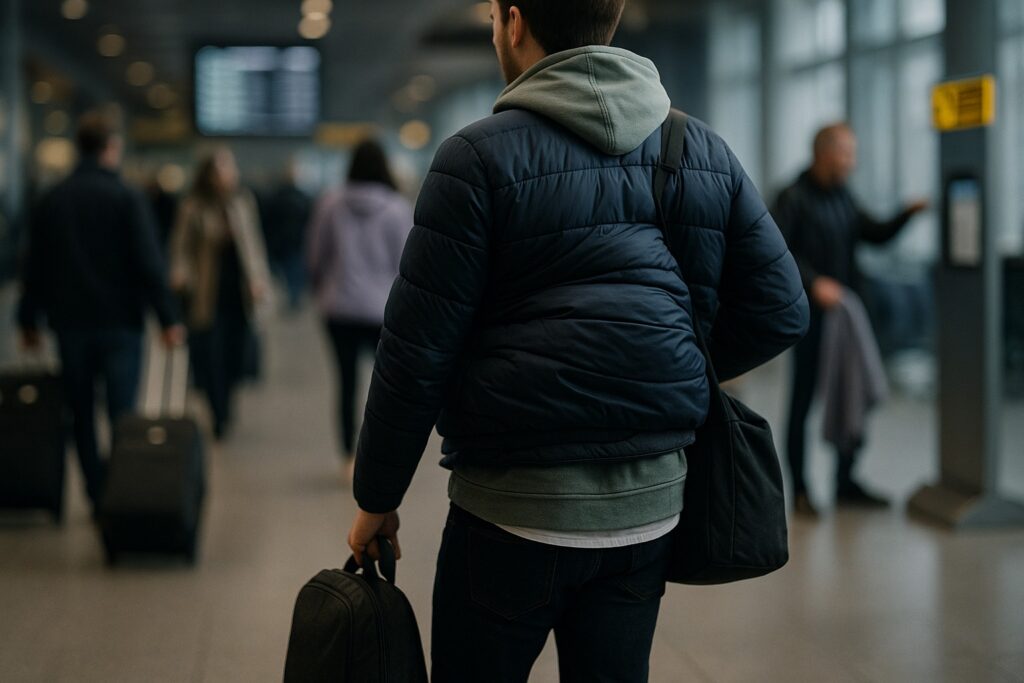
As airlines tighten baggage rules and raise fees, travellers passing through Auckland have popularised a clever — and perfectly legal — workaround that’s gone viral among New Zealand holidaymakers. The goal isn’t to break the rules, but to pack smarter, move lighter, and avoid surprise carry-on charges that can turn a budget trip into an expensive one.
Why carry-on fees have become such a problem
Over the past few years, many airlines have shifted to strict carry-on policies. Weight limits are lower, cabin bag sizes are smaller, and enforcement is more consistent at the gate. Travellers who once breezed through with a “slightly heavy” backpack now face last-minute fees that can rival checked-bag prices.
For frequent flyers in New Zealand — especially those hopping between islands or flying to Australia and the Pacific — this has sparked a wave of creativity.
The viral Auckland trick, explained
The hack circulating on social media is simple in concept: separate what’s weighed from what’s worn or carried as “personal items.”
Here’s how travellers are doing it:
-
Wear the heavy stuff: Jackets, hoodies, scarves, even light raincoats with pockets are worn through security and boarding.
-
Use allowed personal items strategically: Items like small backpacks, handbags, or laptop sleeves — which often aren’t weighed — carry the densest essentials.
-
Repack at the gate if needed: If staff begin weighing bags, travellers discreetly redistribute items to pockets or worn layers before stepping forward.
The result? A carry-on that meets the limit on the scale — without leaving anything behind.
Why it works particularly well in Auckland
Auckland’s airport environment makes this trick especially effective. The climate is mild, so wearing layers doesn’t look suspicious. The terminal layout also gives travellers space to adjust bags calmly before boarding.
Seasoned travellers say this has become almost routine, particularly on short-haul flights where airlines are strictest.
Another clever variation travellers swear by
Some holidaymakers take it one step further with what’s known as the “soft item swap.” Instead of rigid carry-ons that attract attention, they use soft backpacks or duffel bags that:
-
look smaller than they are
-
compress easily
-
rarely get scrutinised as aggressively
Paired with wearable storage (jackets with internal pockets), this approach can make a surprising difference.
Is this actually allowed?
Importantly, this hack doesn’t involve lying or sneaking items past security. Airlines typically set rules for:
-
one carry-on item
-
one personal item
-
clothing worn on the body
As long as travellers respect safety requirements and don’t exceed item limits, wearing your belongings isn’t prohibited.
That said, airline policies vary — and staff always have final discretion.
Why the trick went viral
The appeal is obvious:
-
no extra fees
-
no checked baggage delays
-
no lost luggage stress
But there’s also a broader sentiment behind it. Many travellers feel carry-on fees are unpredictable and poorly communicated. This hack feels like taking back control, especially for budget-conscious holidaymakers.
What frequent flyers recommend doing first
Before relying on any hack, experienced Auckland travellers advise:
-
checking airline baggage policies carefully
-
choosing airlines with clearer carry-on rules
-
packing dense items low and light items high
The viral trick works best as a backup plan, not a substitute for preparation.
A sign of how travel is changing
This Auckland-born workaround reflects a wider shift in modern travel. With rising costs and tighter rules, passengers are adapting — not by breaking regulations, but by understanding them better.
For many New Zealand holidaymakers, dodging carry-on fees isn’t about being sneaky. It’s about travelling smarter, staying flexible, and refusing to let small charges derail a long-awaited trip.
In today’s airports, a little ingenuity can go a long way — and in Auckland, that ingenuity has become a viral art form.