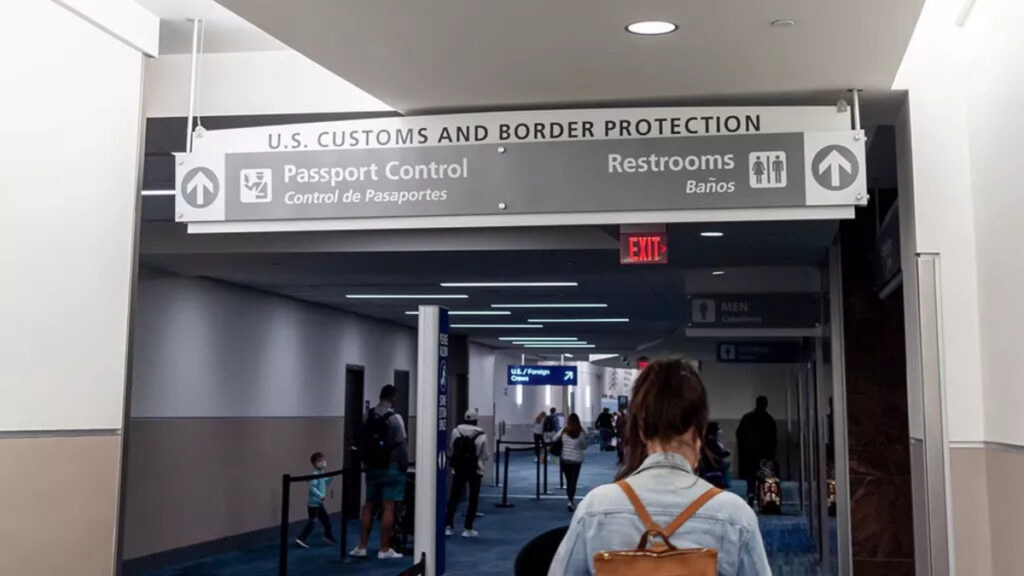
For travellers in Aotearoa, the headlines about Europeans facing tougher U.S. border experiences feel uncomfortably close to home. The United States remains a bucket-list destination, yet reports of detentions, secondary inspections, and last‑minute denials have made many rethink their plans. Even if you fly from Auckland via the Pacific, the same rules apply; and if you hold dual EU–NZ citizenship or travel on a European passport, your risk profile may look different at the border.
Why European visitors are being caught out
Stricter, unevenly applied policies and a sharpened focus on traveller histories have created more friction at U.S. ports of entry. Carriers, border officers, and watchlists feed into a complex screening process that can flag people for reasons that aren’t immediately obvious. Small inconsistencies—like a middle name missing on a booking or an outdated address—can snowball into extended questioning. Confusion around the Visa Waiver Program (VWP), previous travel to sanctioned countries, and social media or device checks add layers of uncertainty.
Hotels and airlines report softer demand from European markets, with some travellers opting for destinations that feel more predictable. While politics colour perceptions, the bigger day‑to‑day driver is process: tourists worry about doing everything “right” and still being refused.
What this means for travellers in New Zealand
Kiwis travelling on a New Zealand passport are eligible for the VWP with an approved ESTA; however, approval never guarantees entry, and officers can refuse admission at their discretion. If you’re using a European passport, similar eligibility applies, but prior travel to certain countries can make you ineligible for ESTA and push you toward a full visa. Dual nationals should choose one identity for all bookings, forms, and payments, keeping details perfectly consistent.
Even when you clear the airline’s check‑in gate, you may face secondary inspection on arrival, which can add hours to your journey. That can ripple through connecting flights, pre‑paid hotels, and tightly packed itineraries—a significant stressor for family or group trips.
Common red flags that trigger extra scrutiny
- Prior travel to or dual nationality with certain sanctioned or high‑risk countries
- Ambiguous purpose of visit (e.g., vague “meetings” without clear details)
- One‑way tickets, short‑notice changes, or mismatched return dates
- Missing or last‑minute ESTA, or an ESTA later revoked
- Overstays or previous immigration violations in any country
- Inconsistent accommodation, thin funds, or no onward travel evidence
- Work‑looking equipment without a clear tourist narrative
How to prepare without losing sleep
Do the basics exceptionally well, because small errors can become big delays. Submit your ESTA early, then re‑check details after any booking changes. Ensure your passport has ample validity, and keep the same name format across all documents.
Carry proof of your itinerary, including paid accommodation, onward travel, and a simple day‑by‑day plan. Keep a concise letter of purpose if you’re visiting friends, attending an event, or mixing tourism with light meetings. If you’ve visited destinations that may raise questions, be ready with dates and benign contexts.
Back up medications in original packaging, declare food items when required, and keep digital copies of key documents in secure, offline folders. Consider travel insurance with clear wording on missed connections, delays, and denied boarding; not all policies cover refusal of entry.
“As a rule of thumb, plan for the best, prepare for the unexpected, and keep your paperwork tidy enough to tell a simple, truthful story,” says a Wellington‑based travel adviser.
If things go wrong at the border
If you’re pulled into secondary inspection, stay calm, answer directly, and keep your explanations consistent. You’re not under criminal arrest, but your rights differ from what you might expect in court. You can request an interpreter, ask to read any forms before signing, and seek airline or consular contacts. In some cases, travellers are offered the option to withdraw their application for admission and return on the next available flight. If travelling with family, keep everyone’s documents together and maintain a single, coherent narrative.
Device searches can happen, though they’re not routine; minimise friction by using screen locks, carrying only necessary data, and avoiding ambiguous or work‑sensitive content. Above all, remain polite—officers have broad discretion, and respectful cooperation usually speeds the process.
Is the journey still worth it?
For many, the answer remains a qualified yes. The U.S. still delivers world‑class national parks, live sports, and cultural icons—experiences that are hard to replicate elsewhere in the world. But the margin for error has narrowed, and preparation is now your best ally. If you keep documents precise, expectations realistic, and schedules with built‑in cushion, you greatly reduce the risk of a trip‑defining headache.
For New Zealanders, the smartest strategy is boring competence: early applications, clean itineraries, and honest, simple answers. Do that, and you can still step off the plane ready to chase the big‑sky landscapes, legendary road trips, and unforgettable city breaks that first put the U.S. on your travel map.