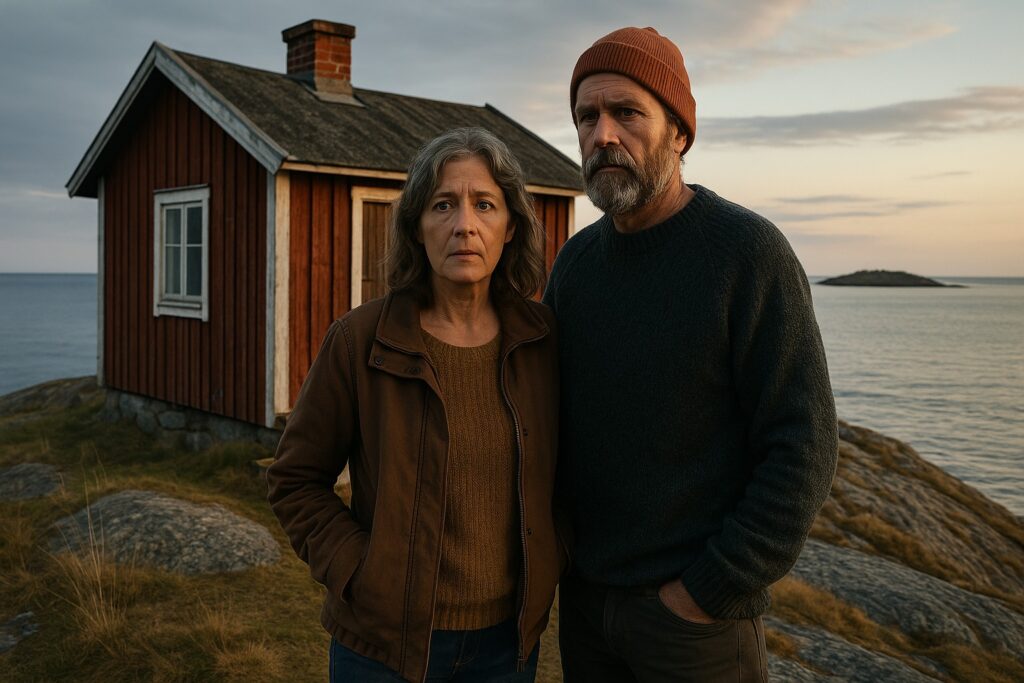
The dream that sent them seaward
When Karin and Mattias left the mainland for a small island in Stockholm’s archipelago, they imagined long summer evenings and quiet coastlines. That vision resonates with many in Aotearoa, where life on Rakiura or Aotea/Great Barrier can look similarly idyllic. They wanted a simpler life, less noise, more horizon.
“We wanted to find something authentic,” says Karin, “to grow our own food and feel the sea breeze every day.” With that, they sold the apartment, packed their essentials, and stepped into a new rhythm.
The first shock
Reality arrived with the first serious storm, when the ferry was cancelled for three days and the pantry ran thin. Firewood vanished at an alarming pace, and small tasks ballooned into big problems when the nearest shop was a boat ride away. Kiwis who know Cook Strait gales or Rakiura’s stubborn southerlies will recognise that feeling.
Even basic logistics demanded foresight, from diesel for the generator to spare parts for the pump. On an island, the calendar bends to weather, not to any commuter timetable.
What isolation really demands
They learned, quickly, that isolation asks for skills as much as romance. The to-do list never shrinks, and each fix requires ingenuity.
- Weather rules everything – storms, ice, and swell can halt movement for days.
- Healthcare is limited – even minor injuries need planning.
- Winter is lonely – short days and fewer neighbours test resilience.
- Work is physical – wood, water, and constant maintenance.
- Supplies must be stockpiled – food, fuel, and critical spares.
- Comms can be patchy – a VHF or satellite backup is vital.
For New Zealanders, it mirrors life on Stewart Island, the Chathams, or tucked-away bays in the Sounds: isolation is both a challenge and a teacher.
The unexpected rewards
The trade-offs brought gifts they hadn’t anticipated. Instead of city traffic, they woke to oystercatchers and rolling swell. Seasons unfolded with clarity, and time gained a slower, steadier pulse.
“We’ve made friends we’d never have met in the city,” says Mattias. “We help each other, and that support means more than we ever expected.” Community, they found, is a living safety net, woven from small daily favours.
A day in their new rhythm
Summer means early mornings to fish, repair the jetty, and tend the greenhouse. Winter means stacking wood, checking the roof, and keeping the boat ready for ice. The seasons write the agenda, and the sea sets the tone.
Meals shift with weather: fresh fish and garden greens when the water is calm, pantry preserves when the forecast is rough. Social life expands with summer visitors, then narrows to year-round locals when the nights grow long.
Freedom they won’t trade
Nothing turned out exactly as they planned, yet they don’t want to go back. The freedom to live by their own terms outweighs the hardships. No neighbour complaining about noise, no sprint to catch a train, no constant digital hum.
They discovered the value of silence, the dignity of work, and the quiet pride of solving problems with their own hands. That freedom, fragile yet real, became their most cherished possession.
Thinking of island life in Aotearoa?
For Kiwis flirting with the same dream, a few grounded steps help turn romance into workable reality:
- Try a full winter first – rent on Aotea or Rakiura before you buy.
- Build emergency buffers – extra fuel, food, and medical supplies.
- Learn basic repairs – plumbing, electrical, and small-engine maintenance.
- Invest in power resilience – solar, batteries, and a backup generator.
- Diversify comms – VHF, satellite messenger, and reliable charging.
- Respect local ecosystems – follow DOC guidance and biosecurity rules.
- Budget for transport – ferries, weather delays, and freight costs.
Island life is not a permanent holiday; it’s a commitment to practical independence backed by steady preparation.
A lesson that lingers
Two years on, Karin and Mattias say they need less and appreciate more. They feel a stronger connection to the sea and an honest gratitude for ordinary days. “We came for the quiet, but we stayed for the feeling of belonging,” says Karin.
Their story is familiar to many New Zealanders, where coastlines meet character and remoteness sharpens values. Even when plans don’t unfold as imagined, a different, richer life can emerge—one built on resilience, community, and the steady heartbeat of the tide.