There was a time, not so long ago, when the city of Cartagena became independent from Spain for six months and almost ended up in the United States. However, less known is the story of a small neighborhood in the northwest of Madrid that also declared its independence. In fact, they took it so seriously that they wrote a Constitution, designed a flag, composed an anthem and even asked Cuba for international protection.
To tell this story we have to go back to 1990 and move to Cerro Belmonte, today known as Valdezarza (in the Moncloa-Aravaca district). We are in an environment dominated by a group of low houses, many of them self-built, and where working-class families have lived for decades. It is a humble neighborhood, yes, but rich in something that was beginning to be scarce in Madrid at the end of the 20th century: land.
With the city riding the bandwagon of the real estate bubble, the City Council launched an urban regeneration plan that included the expropriation of these homes that the residents of the neighborhood had built with their own hands. Furthermore, the financial compensation offered to the neighbors was more symbolic than fair with respect to the real value of the land. While the land was valued at more than 200,000 pesetas per square meter at that time, they were only given 5,018 pesetas.
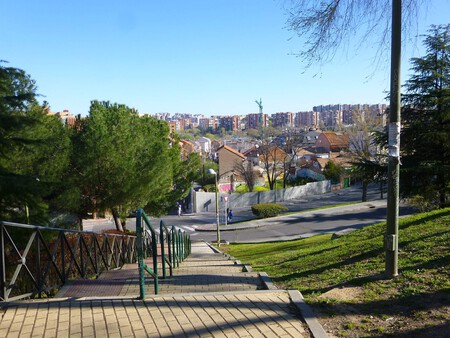
Zarateman
In addition, they were proposed to move to other parts of the city, far from their surroundings, roots and the family and neighborhood network that they had built over the years. The protests did not wait. There were demonstrations, lockdowns, threats of hunger strikes. However, nothing seemed enough to break the institutional silence. They did not count on the fact that the neighbors decided to play an unexpected card: internationalize the conflict.
That summer of 1990 they went to the Cuban embassy in Madrid to request political asylum, since they considered that Fidel Castro had expropriated the rich to give it to the poor while in Madrid the opposite was done. The logic behind the plan was to think that since diplomatic conflicts always made headlines, perhaps theirs would also deserve attention in this way. And it worked.
Fidel Castro publicly responded to the request in a televised speech in which he praised the dignity of the neighbors and invited them to visit Cuba. In fact, some even traveled to Havana with all expenses paid to meet with him as Head of State. The international press took notice and, for a few days, this Madrid neighborhood slipped into the geopolitical news.
The problem is that even that was not enough for the City Council to sit down and negotiate. The residents of Cerro Belmonte went one step further and on September 5, 1990, they held a referendum in which the majority voted to separate from Spain. Thus the Kingdom of Belmonte was born.
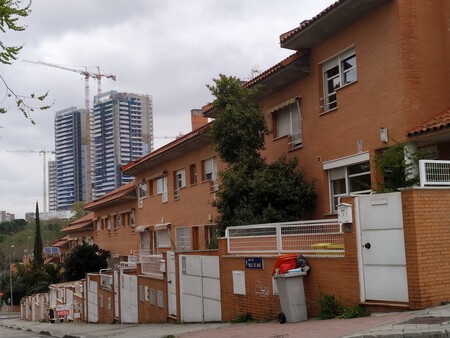
Olgaberrios
They had a Constitution (whose first article was to promote happiness), their own currency (the Belmonteño, with the same value as the compensation offered to them), a flag (tricolor and with a white triangle on one side, like that of Cuba, a punk anthem and even a peculiar territorial organization with principalities and counties included. Independence lasted exactly one week, but it was enough.
Media pressure and increasingly harsh protests took effect and the expropriation plan was annulled. The kingdom disappeared but many neighbors were able to renegotiate their conditions and be relocated to the same area. Nowadays, there is no trace of those white houses and patios, they have been replaced by brick blocks but the neighborhood will always be able to boast that, for a few days in 1990, they were a country.
Cover photo | Malopez 21