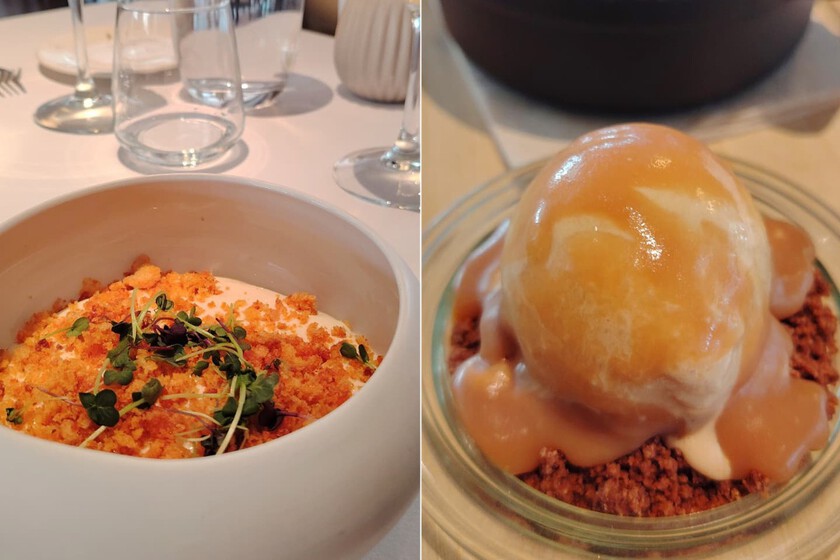
There are destinations to which you always want to return, and the Aragonese Pyrenees is one of them. Its valleys offer very different landscapes, from the tranquility of the Western Valleys to the monumentality of Canfranc with its imposing Station, passing through the Tena Valley with places like Lanuza or the Balneario de Panticosa, Benasque or the medieval charm of L'Aínsa, the possibilities are practically inexhaustible.
Beyond the hiking trails, climbing or visits to its historical and natural heritage, there is another reason that turns any trip to this area into a great experience: its cuisine. Pyrenean gastronomy combines tradition and creativity, with restaurants that reinterpret traditional recipes and others that keep traditional flavors intact. In most of them there is a common denominator: the prominence of local products, grown or produced in the valleys themselves and converted into the best presentation card of the territory.
And furthermore, this careful gastronomy with local products allows us to escape for a few days from the boredom of going out to dinner in many big cities, with menus full of tuna tartares, tatakis, Steaks tartare, gourmet croquettes (even if they are all fifth-range), baos in their multiple versions or various ceviches.
Where to eat well and deliciously in the Aragonese Pyrenees
The gastronomic route can begin in Santa Cruz de la Serós, one of the entrance doors to the monastery of San Juan de la Peña, cradle of the Kingdom of Aragon. There you will find Hostelería de Santa Cruz, an establishment that keeps the traditional cuisine of the Pyrenees alive in a rustic-style dining room. Its specialties include migas with grapes, boliches and grilled meats from the area, with cuts such as entrecôte or lamb ribs. The views of the church of Santa Cruz, the only remaining remains of the old female monastery that was in this town, are unique.
A few kilometers away, in Hecho, another essential stop awaits those who enjoy good food. Casa Blasquico attracts attention even before crossing the door thanks to its characteristic façade adorned with flowers and plants. Inside, the menu relies on recipes made with seasonal products, where dishes such as stuffed vegetables, roast lamb, mushroom crepes or cod cocochas that you wouldn't expect to find so far from the coast stand out, they are some of the house's essentials. It is the type of place with flavor that conquers with its cuisine and the homely atmosphere thanks to a very authentic dining room.
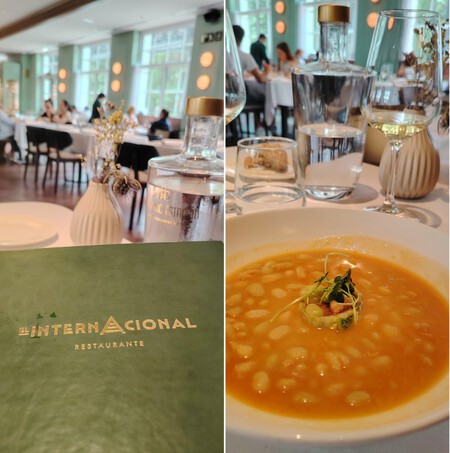
In the Aragón Valley, inside the Barceló Royal Hideaway Hotel located in the historic Canfranc Station, the Internacional restaurant, with Eduardo Salanova and Ana Acín at the helm, offer a tasting menu, and a menu where the prominence falls on meats such as Ternasco de Aragón or the Entrecôte of 300 Angus beef. As a tip, if Olla Jacetana is on the tasting menu, don't hesitate to try it.
The Tena Valley is another of those places where it is difficult to make a mistake when it comes to sitting at the table. Among its most recommended addresses is Vidocq, in Formigal, a distinguished restaurant with a Sol Repsol in which chef Diego Herrero proposes creative cuisine deeply linked to the territory. Its tasting menu, made with local and seasonal products, offers a tour of the Pyrenees with influences from other cuisines and turns the visit into an experience that goes far beyond a simple meal.
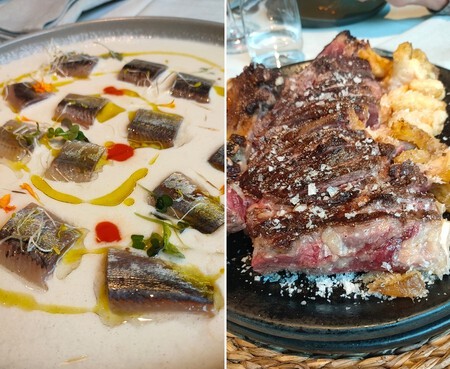
In the same valley, in Sallent de Gállego, is one of my favorite restaurants, Casa Martón. A family restaurant that opened its doors in 1978 and combines exquisite interior design created by architects Lorna de Santos and Marta Badiola and a recipe book based on Tensina food that is pure wonder, with proposals such as smoked sardine with white garlic and shio oil, pink tomato ice cream salad or any of its meats, from the valley itself.
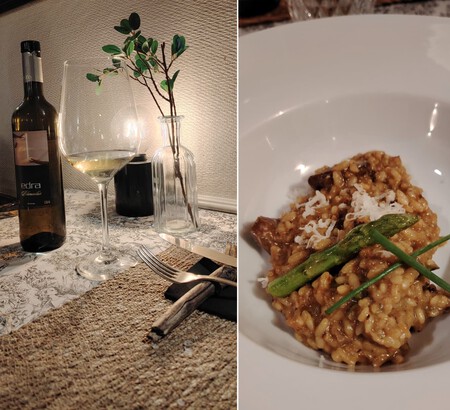
In Biescas, the Ruba Spoon is another essential for eating well. The project bears the seal of chef Diego Herrero and the head waiter Amaya Sarasa, promoters of the prestige that Vidocq has achieved in Formigal within haute cuisine. In Biescas, the day-to-day work is carried out by Javier Blas in the kitchen and Adela Pérez in charge of front of house service. It has a special summer menu for 38 euros with dishes such as beef cheek stewed in Somontano red wine, or free-range chicken stewed in chilindrón. All, with careful staging and first-class service.
In Torla, at the gates of the Ordesa National Park, it is worth booking a table at El Duende. This restaurant recommended by the Michelin Guide occupies an old mansion built in 1831, a very charming space that opened its doors as a restaurant in 2002. Its proposal revolves around traditional mountain cuisine and, especially, embers. Among its most sought-after dishes is the 900-gram beef steak, a piece designed for meat lovers and perfect for regaining strength after touring the landscapes of Ordesa.
If you pass through Buesa, in the Broto Valley, there is an address that deserves a place on any list of pending restaurants: El Balcón del Pirineo. An establishment that conquers both for the views and for the hospitality of its team and for a cuisine closely linked to the environment, with recipes made from products from the garden and the forest.
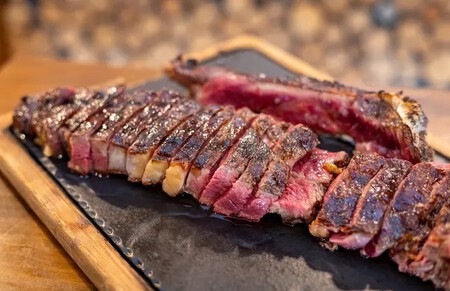
Among its specialties, beef and ox stand out, which are prepared on the grill and in the oven using different firewood to provide very subtle smoky nuances. And if there is a dish that should not be missed, it is their broken eggs, made with eggs from free-range hens, a classic of the house.
The gastronomic route through the Aragonese Pyrenees would not be complete without making a stop in the Ribagorza region. In Benasque there are many tables where it is worth making a reservation, among them La Llardana, distinguished with a Solete Repsol and known for its mountain cuisine in which grilled meats, roasts and dishes made with seasonal products stand out. El Fogaril, the restaurant at Hotel Ciria, is also worth a visit, where the menu focuses on game meats when the season arrives and on beef raised in the valley itself.
Just a few minutes from Benasque, in the small town of Anciles, is Ansils, a restaurant that has a Michelin star and is run by the brothers Iris and Bruno Jordán. Its proposal combines the Ribagorzan culinary tradition with a careful selection of local products, giving shape to an elegant cuisine closely linked to the territory. It has three menus, between 95 (with four dishes) and 160 (with 10 dishes), and apart from the gastronomic part, this restaurant is a good example of how a new generation is recovering mountain cuisine without remaining in nostalgia, since it maintains the memory of the valley, but with a current gastronomic language full of creativity.
The next stop takes us to Chía, a small town in Ribagorza where Chongastán is located, an essential address for those looking for roots cuisine. Recognized by the Michelin Guide, this restaurant recovers the traditional recipes of the valley and highlights it through slow preparations, the kind that need time and slow heat to bring out all the flavor.
Its proposal revolves around local products, with special emphasis on beef raised on its own farm and ingredients from its garden. Its dishes include traditional stews, recipes inherited from previous generations and game meats, which reflect the most authentic essence of mountain cuisine.
In 3D Games | Canada sent a submarine 400 meters off Greenland. Found the wreck of Shackleton's legendary ship
In Xataka | Psychology says that people who thank drivers when crossing the street don't do it just out of gratitude.