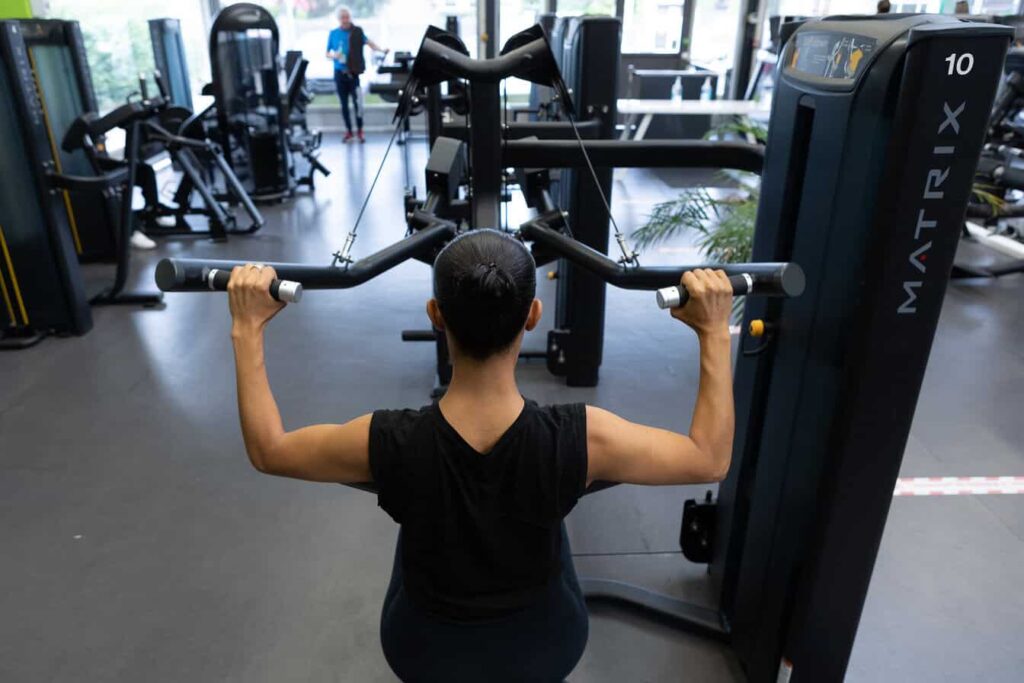
Regular exercise is widely recognized as one of the best ways to maintain long-term health. However, orthopedic specialists say that how you train can be just as important as how often you train. Poor technique, excessive intensity, or ignoring early warning signs from the body can lead to injuries that may take months to recover from.
According to orthopedic surgeons, many people unknowingly repeat common workout mistakes that place unnecessary stress on joints, muscles, and ligaments.
Skipping the Warm-Up
One of the most frequent mistakes people make is jumping straight into intense exercise without properly warming up. A warm-up gradually prepares muscles and joints for activity by increasing blood flow and flexibility.
Without this preparation, the body is more vulnerable to strains and muscle injuries.
An orthopedic specialist explains:
“A proper warm-up helps the body transition safely from rest to physical activity.”
Even a few minutes of light movement and mobility exercises can make a significant difference.
Using Improper Form
Poor exercise technique is another major cause of workout-related injuries. Incorrect posture during strength training or repetitive movements can place excessive pressure on certain joints.
Common issues include:
-
rounding the back during lifting
-
locking joints during exercises
-
using weights that are too heavy
Learning correct form and starting with manageable loads can help reduce injury risk.
Ignoring Pain Signals
Many people push through discomfort during workouts, believing that pain is simply part of the process. However, orthopedic experts warn that sharp or persistent pain should never be ignored.
Pain can signal underlying problems such as tendon inflammation or joint stress.
Continuing to exercise under these conditions may worsen the injury.
Doing Too Much, Too Soon
Another frequent problem is increasing workout intensity too quickly. When people start a new fitness routine, enthusiasm can lead them to train harder than their bodies are ready for.
Gradual progression allows muscles, bones, and connective tissues to adapt safely.
Neglecting Recovery
Rest and recovery are essential components of any training program. Without adequate recovery time, the body cannot repair and strengthen itself after exercise.
Insufficient recovery may lead to overuse injuries such as tendonitis or stress fractures.
Healthy recovery habits include:
-
rest days between intense sessions
-
sufficient sleep
-
proper hydration and nutrition
Exercise Is Still One of the Best Investments in Health
Despite these risks, orthopedic specialists emphasize that regular physical activity remains one of the most beneficial habits for overall health. The key is exercising intelligently and listening to the body’s signals.
With proper technique, gradual progression, and adequate recovery, exercise can strengthen the body while minimizing the risk of injury.
Understanding and avoiding these common mistakes can help people maintain an active lifestyle safely for years to come.