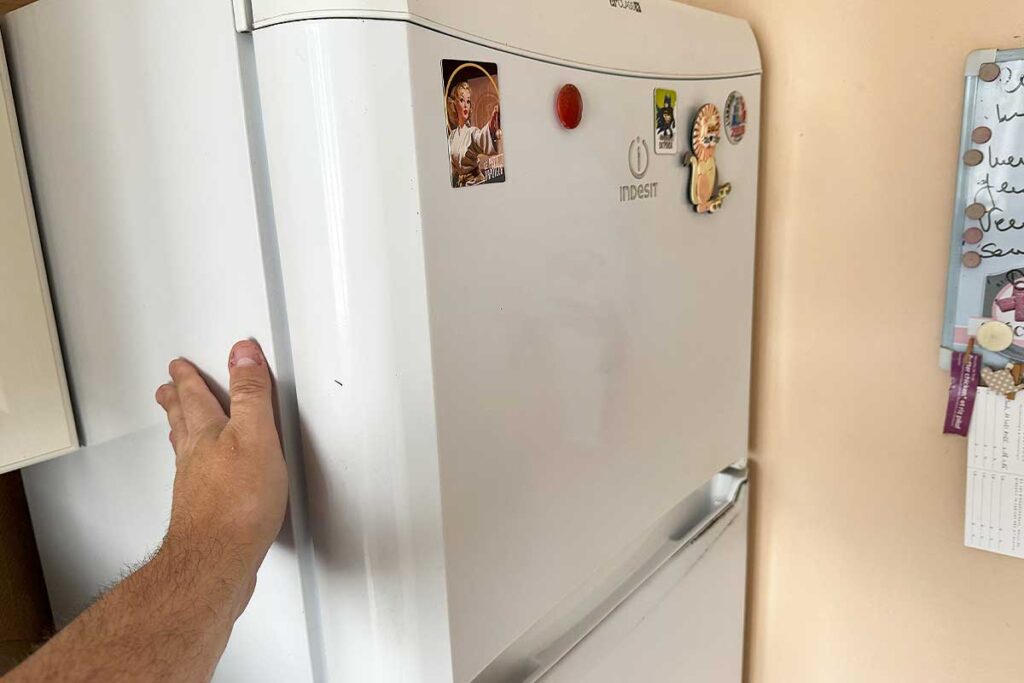
If you’ve ever touched your refrigerator and noticed that the sides or the door feel warm—or even hot—you’re not alone. While it may seem alarming at first, this is often a normal part of how modern refrigerators work. However, in some cases, excessive heat can signal a problem that shouldn’t be ignored.
Understanding the difference can help you avoid unnecessary worry—or catch an issue early.
Why Your Fridge Feels Warm in the First Place
Refrigerators don’t just keep things cold—they also remove heat from inside the appliance and release it outside. This process is handled by components such as the condenser coils, which are often located along the back or embedded in the sides of the unit.
As heat is expelled, the exterior surfaces can feel warm to the touch.
A refrigeration technician explains:
“If the outside of your fridge is slightly warm, it usually means the system is working as intended.”
Built-In Heating in the Door Edges
Many refrigerators are designed with anti-condensation heaters around the door seals. These prevent moisture buildup and mold by keeping certain areas slightly warm.
This is why the edges of the door may feel warmer than expected, especially in humid environments.
When Heat Becomes Excessive
While some warmth is normal, there are situations where it may indicate a problem. If the exterior becomes unusually hot or remains hot for extended periods, it could point to reduced efficiency.
Potential warning signs include:
-
the fridge running constantly without stopping
-
food not staying as cold as usual
-
unusual noises from the back of the appliance
-
higher electricity consumption
In these cases, further inspection may be needed.
Common Causes of Overheating
Several issues can cause a refrigerator to overheat:
-
dust buildup on condenser coils
-
poor ventilation around the appliance
-
malfunctioning fans
-
worn or damaged components
Regular maintenance can prevent many of these problems.
Simple Steps to Keep Your Fridge Running Efficiently
To reduce the risk of overheating, experts recommend:
-
leaving enough space around the fridge for airflow
-
cleaning the coils periodically
-
avoiding overloading the appliance
-
checking door seals for proper closure
These small actions can improve performance and extend the lifespan of the appliance.
When to Call a Professional
If your refrigerator feels excessively hot and shows signs of poor cooling performance, it may be time to contact a technician. Early intervention can prevent more serious damage.
A Normal Feature—Most of the Time
In most cases, a warm refrigerator exterior is simply a sign that the appliance is doing its job. But knowing when that warmth becomes unusual is key.
With a bit of awareness and routine maintenance, you can ensure your refrigerator continues to run safely and efficiently.