A quiet revolution is unfolding in how we think about dementia. Mounting evidence ties difficulties understanding speech in noise to a higher likelihood of future cognitive decline. What looked like a minor annoyance may be a signal we can measure, monitor, and potentially modify.
Hearing challenges as an early alarm
Researchers at Oxford examined more than 82,000 adults aged 60+, focusing on how well they tracked spoken words amid background clamor. People who struggled with speech-in-noise faced a substantially higher risk of developing dementia, even after adjusting for other factors. Strikingly, many participants with poor performance were not aware of any problem in their everyday hearing.
Key takeaways include:
- A notably higher dementia risk among those with poor speech-in-noise hearing
- About half of those with low performance were unaware of deficits in everyday listening
- Associations remained after accounting for confounders like age, education, and health status
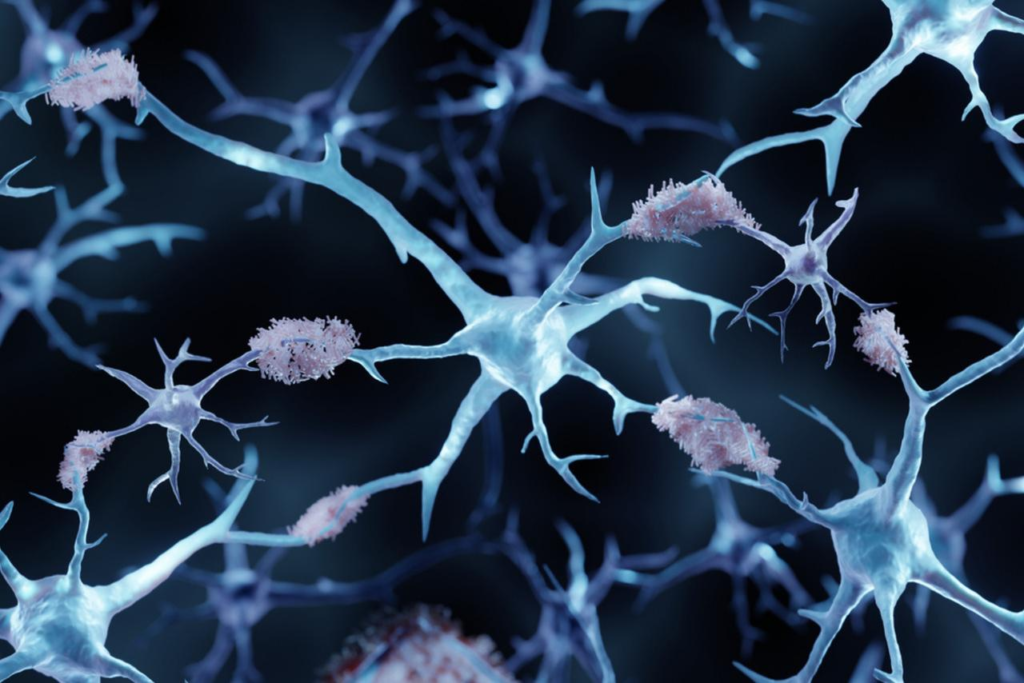
Hearing in noise could be a subtle early marker of cognitive **vulnerability**. © Chinnapong, **iStock**
A complex conversation between ears and brain
Why would noisy rooms matter for the brain? Speech-in-noise listening places heavy demands on attention, working memory, and processing speed. Chronic strain may accelerate cognitive load, while missed cues at social gatherings can foster isolation, itself a known dementia risk.
There could also be shared biological pathways. Vascular disease, inflammation, or neurodegenerative change might affect auditory and cognitive circuits in parallel, producing overlapping symptoms. Large reviews have flagged hearing loss as one of the most powerful modifiable dementia factors, urging earlier testing and timely intervention.
From modifiable risk to practical action
The most encouraging aspect is that hearing-related risks appear at least partly modifiable. Protecting ears from excessive noise, pursuing routine hearing checks, and engaging with amplification or rehabilitation can lighten cognitive load. For many, these supports restore social engagement and cut the fatigue of constant auditory effort.
As one clinician put it, “What we cannot hear, we cannot reliably think about.” That observation captures a simple truth: clearer input makes cognition more efficient. Better hearing hygiene can translate into better daily function, from conversation to confidence.
What speech-in-noise really measures
Unlike pure-tone tests, speech-in-noise tasks probe real-world listening. They capture how the brain filters distractions, holds fragments in memory, and fills gaps through context and prediction. Poor performance may reveal early stress on neural networks that support attention and executive control.
Because these tests are quick and scalable, they could enrich early screening. Community clinics or digital tools might flag at-risk individuals sooner, prompting targeted support. Early recognition can open doors to counseling, hearing aids, and cognitive strategies.
Evidence, limits, and what comes next
Association does not prove causation, so cautious interpretation is essential. Randomized trials are still needed to show whether improving hearing measurably reduces dementia incidence or meaningfully delays onset. Yet the current signal is strong enough to guide pragmatic steps now while research continues to refine answers.
In practice, a combined approach makes the most sense. Protect hearing, manage cardiovascular risks, stay physically active, and sustain rich social connections. Together, these habits build cognitive reserve and promote brain health.
Everyday strategies with outsized impact
Small choices can reduce auditory strain. Seek quieter seating in restaurants, face your conversation partner, and use captioning when helpful for complex dialogue. Discuss hearing aids, cochlear options, or training programs with a qualified audiologist if screening uncovers deficits.
Families can help by slowing speech, reducing background noise, and confirming key points. Workplaces can support acoustic design, assistive technologies, and inclusive communication norms. These changes benefit everyone, not just those at elevated risk.
Rethinking brain health through the ear
The emerging picture reframes hearing as a front door to cognition. Clearer sound eases mental effort, preserves social ties, and may lower long-term vulnerability. We should treat hearing care as routine brain care, not an optional add-on or late-life afterthought.
In that spirit, the next best action is simple and achievable. Schedule a hearing check, especially if noisy rooms feel unusually taxing or conversations seem increasingly muddy. Early attention to the ear could be the most practical way to safeguard the mind.