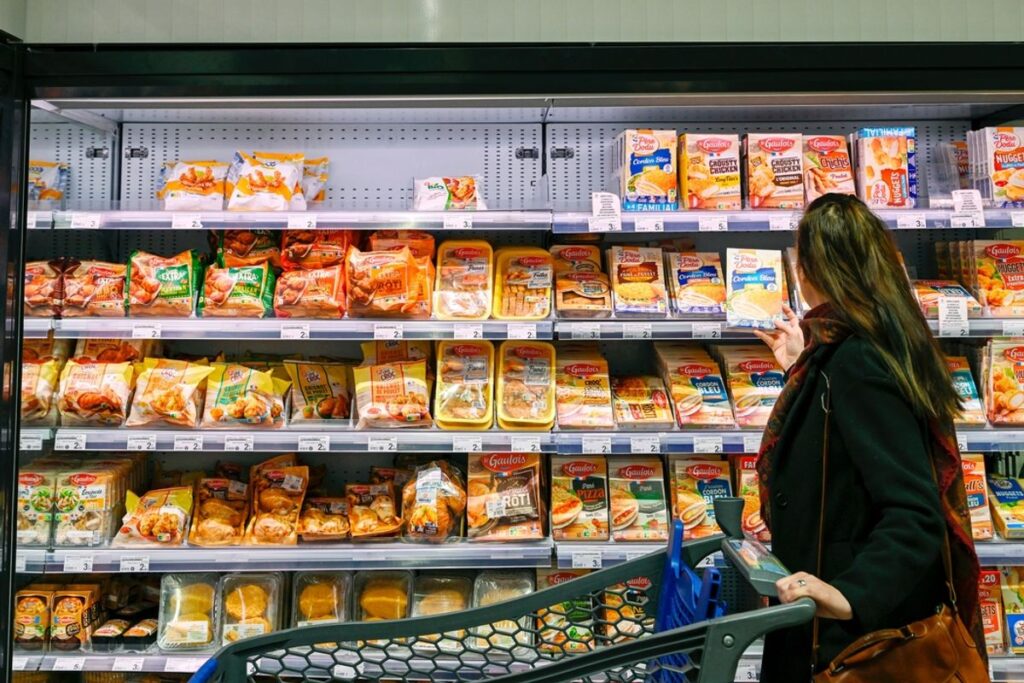
The quiet turn in the aisle
In crowded supermarkets, shoppers are navigating shelves with a new wariness. Rising prices sharpen every choice, while mounting research adds urgency to what lands in the basket. Families weigh convenience against health, scanning labels with growing skepticism and a sense of resolve.
Some households still reach for ready-made meals when time is painfully short. Yet many now build their week around basics—whole chickens, seasonal vegetables, and plain grains—because they feel these are safer and more satisfying. The result is a slow, visible pivot from the center aisles to the fresh perimeter.
What science now says
A wave of strong, peer-reviewed evidence links high intakes of ultra-processed foods to obesity, type 2 diabetes, cardiovascular disease, and even depression. In France, these foods account for roughly a third of total calories, while in the United States the share pushes far higher. Researchers urge policies that reduce exposure and reframe the food environment.
The concern extends to contaminants like PFAS and heavy-metal residues, which have surfaced in public discussion with unsettling regularity. While no single product guarantees harm, cumulative intake across meals and months deserves attention. This blend of cost, chemistry, and chronic risk is what shoppers now sense in the aisles.
Labels, loopholes, and literacy
Front-of-pack labels such as Nutri-Score help decode basic nutrition, but they still miss the dimension of processing. That’s where systems like NOVA can guide consumers toward minimally processed choices, distinguishing a plain yogurt from a flavored, additive-laden dessert. More transparent standards could reduce confusion and improve confidence.
Additives with cryptic codes—stabilizers, sweeteners, color ants—accumulate across ultra-processed products. Even when a cereal earns a favorable score, the ingredient list may raise eyebrows. The practical rule is simple: shorter lists, familiar ingredients, and fewer claims tend to signal integrity over marketing.
Price, privilege, and the weekly basket
Sticker shock is real, and budget constraints shape every decision. Whole foods can seem pricier at the checkout, but their nutrient density and meal stretchability often even the math. A single whole chicken, roasted once, becomes stock, soup, and sandwich fillings across several days.
Organic choices complicate the picture. They can reduce certain pesticide residues, yet the premium is not equally feasible for every family. Many prioritize local, seasonal produce, and straightforward basics over logo-heavy promises, focusing on where value and trust actually meet.
Shop-floor moments of clarity
At the end of a long shift, a parent may still grab a packaged meal, acknowledging both fatigue and the press of time. But the next morning, the same shopper might plan a simple pot of lentils with onions, carrots, and olive oil. These small, repeated choices add up to meaningful change.
“Some nights I need something fast,” says one exhausted caregiver, “but most days I want food that feels real.” That sentiment echoes across carts and queues, a blend of practicality and purpose that retailers can no longer ignore.
“Consumers aren’t confused; they’re cornered by costs and claims. They just want food that is transparent, affordable, and **trustworthy**.”
How to shop smarter, right now
- Build meals around a few anchors: beans, eggs, whole grains, seasonal produce.
- Compare unit prices, not just sticker prices; whole foods often win over the week.
- Scan ingredient lists; fewer, simpler items usually mean less processing.
- Favor products with strong scorecards and minimal additives; learn the basics of NOVA.
- Batch-cook on calmer days so rushed nights don’t default to ultra-processed options.
The push for responsibility
Consumers are doing their part, but individual willpower can’t fix systemic design. Pricing, placement, and promotion still favor ultra-processed options, nudging habits in predictable, unhealthy directions. Public policy—from clearer labeling to reformulation and marketing curbs—can rebalance the field.
Retailers also have a powerful lever. By expanding their fresh offerings, trimming dubious additives, and spotlighting minimally processed staples, they can lead a profitable, public-minded shift. Trust, once earned, becomes a durable competitive advantage.
A new normal within reach
This awakening is not about shaming choices, but about reclaiming agency. Each basket that skews toward whole foods is a small, practical vote for health, value, and basic honesty. If science, policy, and retail move in concert, supermarkets can become places where the simplest option is also the best.