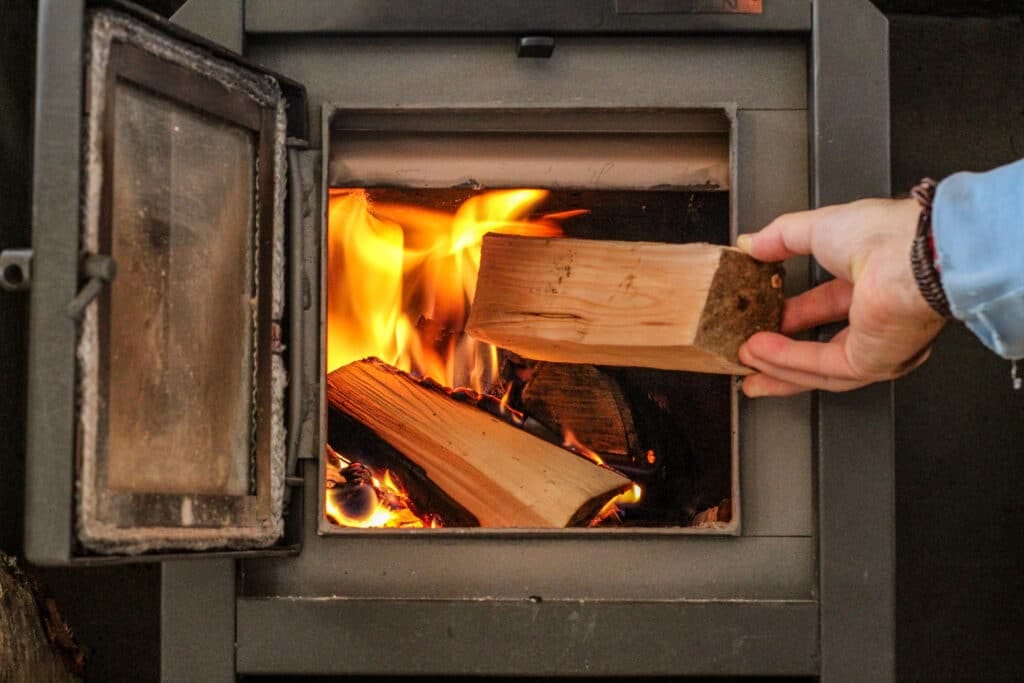
As the days turn colder, many homes depend on a wood or pellet stove for steady, comforting heat. A single, simple habit before every start can unlock cleaner combustion, lower bills, and fewer headaches. The key is predictable airflow and a reliable draft, which together decide how well your stove performs. Small checks, done consistently, protect both your budget and your equipment.
The essential pre-light check: open the air supply
Before you strike a match, make sure the primary air control is fully open. Fire needs the right ratio of oxygen to fuel for stable, efficient ignition. Too little air means smoky starts, wasted heat, and heavy residue.
Use this quick pre-light routine for dependable results:
- Fully open all primary air and start-up vents to prime the firebox.
- Crack the door a sliver to encourage initial draft, then close once the kindling catches.
- Hold a flame or match near the door seals; if it leans inward, your draft is working.
- After a bright, active flame forms, begin gentle air reductions to stabilize burn.
Why this simple step cuts consumption and boosts performance
Adequate air at start-up prevents incomplete combustion, which robs heat and leaves sticky deposits. Cleaner flames turn more fuel into usable energy, slashing pellet or log usage hour after hour. You’ll also see fewer glass smears and slower chimney buildup, which means safer operation and lower maintenance.
Fine-tune once the fire is established
After kindling is burning vigorously, ease the air down until flames are lively but not roaring. You’re aiming for bright, dancing flames with minimal visible smoke at the cap. Too little air gives lazy, orange flames and soot; too much air strips away heat and burns fuel too fast.
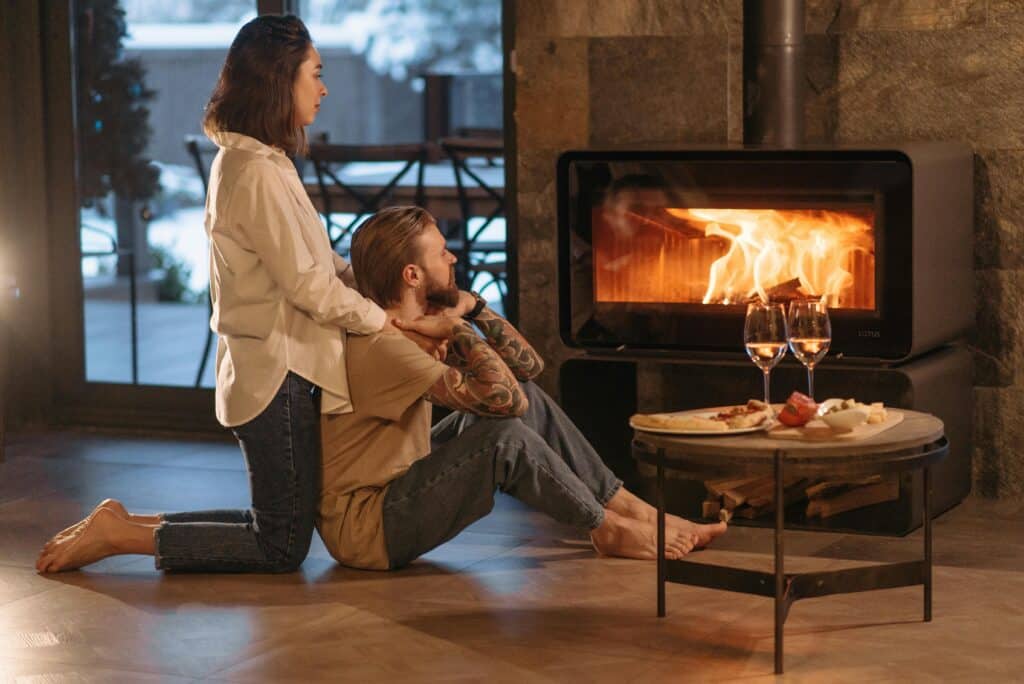
Extra upgrades that pay off in real savings
Stack a few small improvements for impressive efficiency and day-to-day comfort:
- Burn properly seasoned wood or premium pellets with moisture under 20% for clean, hot fires.
- Use top-down lighting: big logs at the bottom, smaller splits above, kindling and starters on top for slower, cleaner ignition.
- Check door gaskets and ash pan seals; replace if worn to prevent air leaks that wreck control.
- Keep the glass and baffles clean; clear pathways improve airflow and heat transfer.
- Add a stovepipe thermometer to stay in the optimal temperature zone and avoid creosote.
- Try a stove-top fan or distribution blower to move heat gently through the room.
“Good heat is less about bigger flames and more about smarter air.” This short reminder turns every lighting into a repeatable, efficient process and a calmer daily ritual.
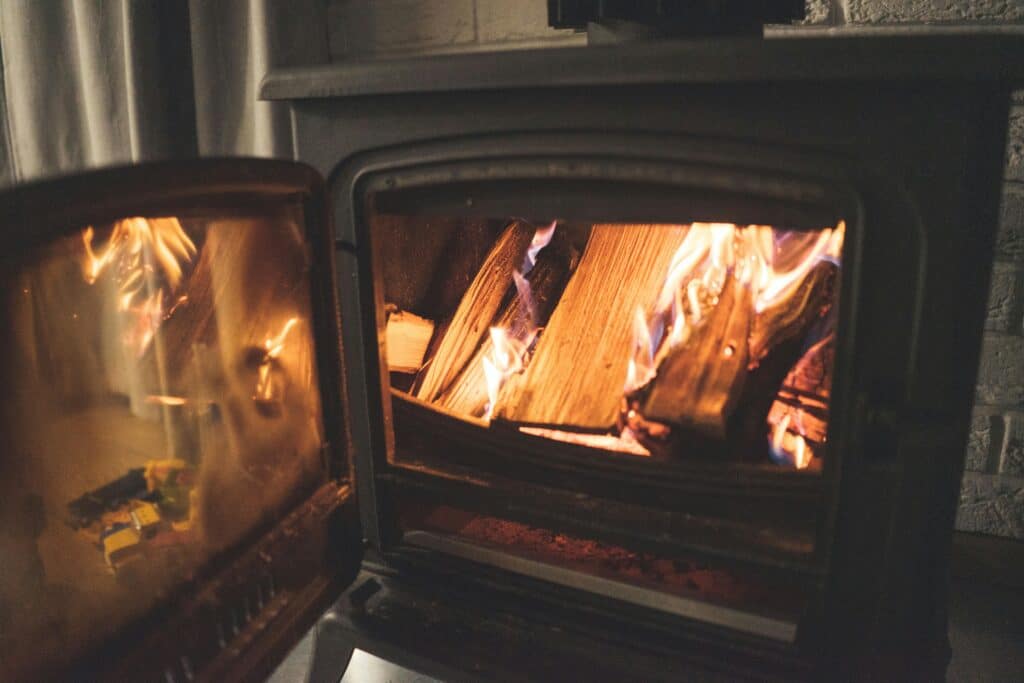
A quick pre-burn checklist
- Open primary air fully; confirm the path is clear and responsive.
- Stage dry fuel with generous kindling and modest, crisscrossed splits.
- Confirm chimney cap is unobstructed for steady upward draft.
- Ignite, then close the door gently once flames are active and stable.
- Trim air in small steps, watching for lively, clean flames.
Safety and maintenance that protect your gains
Schedule annual chimney sweeps to reduce creosote and maintain safe draft. Install and test smoke and carbon monoxide alarms near sleeping areas for critical protection. Keep combustibles at proper clearances and store ashes in a metal container outdoors with a tight-fitting lid.
A tiny habit, lasting comfort
Opening the air before every start sets the stage for clean, efficient burns all season long. The result is steadier heat, fewer refuels, and a clearer flue that runs safer and cheaper. Combine this habit with smart tuning and basic care, and your stove will reward you with reliable warmth and lower costs—night after night.