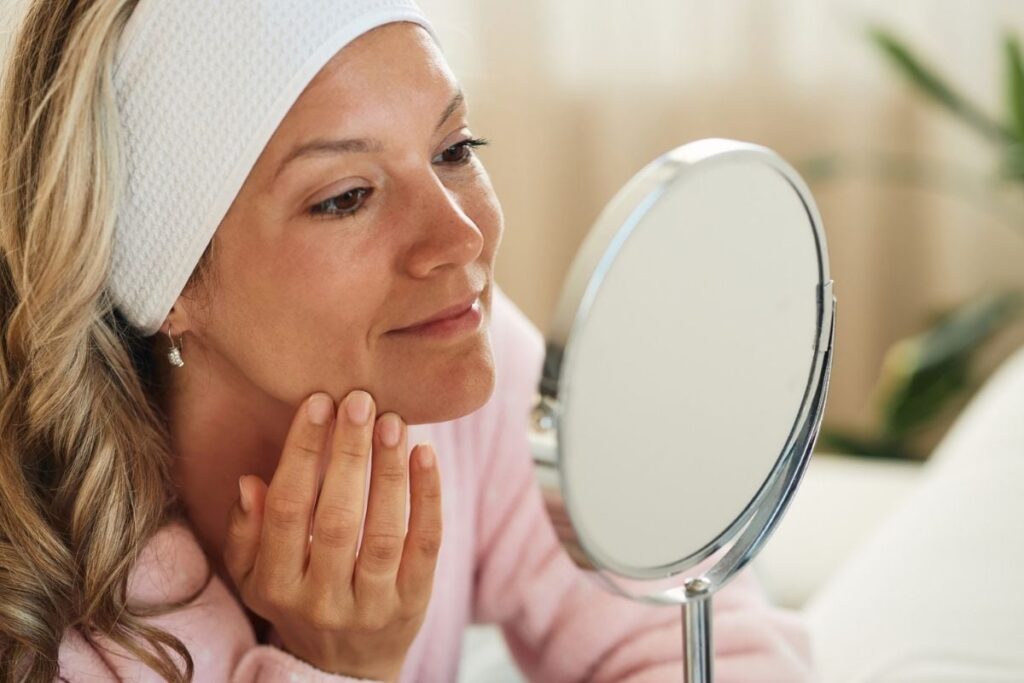
For decades, aging has been associated with visible signs like wrinkles or grey hair. But according to recent scientific research, the biological processes behind aging begin much earlier—often long before any outward changes appear.
Researchers studying human physiology and cellular function suggest that the body may start to show measurable signs of decline as early as the late 20s to early 30s.
Aging Starts at the Cellular Level
Aging is not a single event but a gradual process that occurs inside the body. At the cellular level, several mechanisms begin to change over time, including:
-
slower cell regeneration
-
reduced production of certain proteins
-
accumulation of cellular damage
These changes can subtly affect how tissues and organs function, even if the effects are not immediately noticeable.
A researcher in aging biology explains:
“Biological aging starts earlier than most people expect—it’s a continuous process, not a sudden shift.”
What Changes First?
Different systems in the body age at different rates. Some of the earliest measurable changes include:
-
a gradual decline in muscle mass
-
reduced metabolic efficiency
-
slower recovery after physical effort
These shifts are often mild at first and may go unnoticed without detailed medical testing.
Why It Feels Like It Happens Later
Although aging processes begin relatively early, the visible and functional impacts often take years to accumulate. This delay is why many people associate aging with their 40s or 50s.
The body has a strong ability to compensate for early changes, masking their effects for a long time.
Lifestyle Still Plays a Major Role
Experts emphasize that while biological aging begins early, lifestyle choices significantly influence how quickly it progresses.
Key factors include:
-
physical activity
-
nutrition
-
sleep quality
-
stress management
Healthy habits can help maintain function and delay many age-related changes.
Not a Fixed Timeline
It is important to note that there is no single “exact age” at which aging suddenly begins. Individual differences—such as genetics, environment, and lifestyle—play a major role.
Some people may experience certain changes earlier, while others maintain high levels of function for longer.
Understanding Aging Differently
Rather than viewing aging as a sudden turning point, scientists increasingly describe it as a lifelong biological process that starts earlier than commonly assumed.
Recognizing this can encourage earlier attention to health and well-being—long before visible signs appear.
In the end, aging may begin sooner than expected, but how it unfolds depends largely on the choices made along the way.