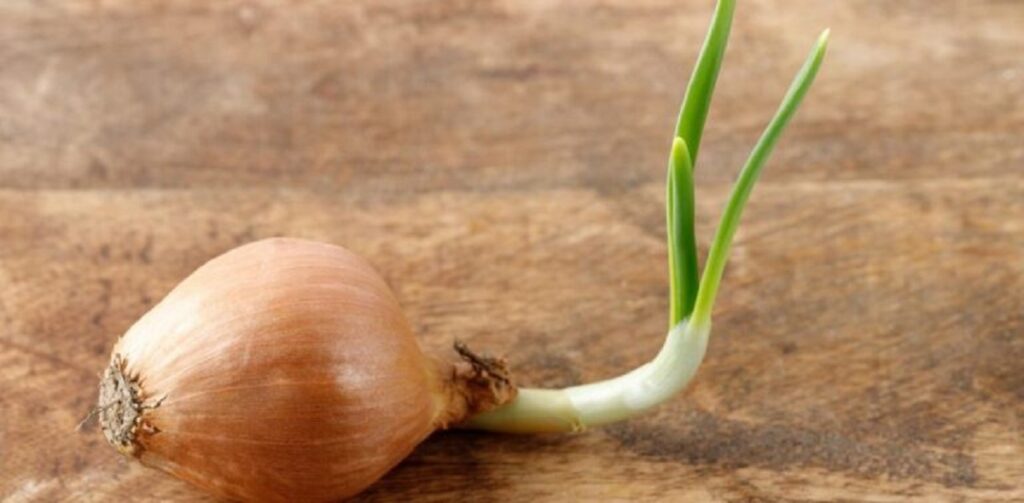
What Sprouting Really Means
Finding a green shoot inside an onion can feel alarming, but it’s usually a sign of age, not danger. A sprouted onion is generally safe to eat, and the pale green shoot itself is edible. As the bulb diverts energy to the new growth, the flesh may become slightly softer and a touch more bitter, yet it remains perfectly usable in many dishes. If the flavor seems too sharp, simply trim away the sprout and any dry or discolored layers.
Safety First: When to Keep, When to Toss
Most sprouted onions are harmless, but you should still check for obvious spoilage. A firm bulb with no mold is usually fine, whereas soft, slimy, or foul-smelling onions should be discarded. Black, green, or fuzzy spots indicate mold, which means the onion is no longer safe. Remember, the rules for onions and potatoes are different: sprouted potatoes can accumulate toxic glycoalkaloids, but sprouted onions do not carry the same risk.
- Keep it if it feels firm, smells fresh, and shows no visible mold.
- Trim it if only the center shoot is bitter or a few layers are dry.
- Toss it if it’s mushy, smells off, or shows widespread mold.
Flavor and Nutrition Benefits
Sprouting does not erase an onion’s valuable compounds, including sulfur-rich molecules linked to potential antioxidant effects. The green shoot tastes like a mild scallion—fresh, grassy, and pleasantly pungent—and can brighten simple dishes. While prolonged storage can reduce some vitamins, you still gain useful fiber, phytonutrients, and flavor. If the bulb’s texture seems tired, lean on that lively shoot to add crisp contrast.
“If the onion is firm, clean, and aromatic in a good way, a green sprout is more a sign of life than a red flag.”
Smart Storage to Slow Sprouting
To delay sprouting and preserve quality, give onions a cool, dry, and ventilated home. Mesh bags, perforated baskets, or paper bags support airflow and keep humidity low. Aim for a dark spot away from sunlight and heat, such as a pantry or cellar that’s cool but not damp. Avoid storing onions beside potatoes, which release moisture and gases that speed onion spoilage. Once cut, refrigerate them tightly sealed and use within a few days.
Cooking With Sprouted Onions
Culinarily, sprouted onions are wonderfully versatile. Use the bulb wherever you’d use a standard onion: sautéed for soups, sweated for sauces, or caramelized for deep sweetness. The tender green shoot behaves like a chive or scallion—great raw as a finishing touch. Chop it finely and sprinkle over creamy omelets, bright salads, or roasted vegetables. If the bulb tastes slightly bitter, balance it with fat, acidity, or gentle heat.
Try these easy ideas:
- Fold the chopped shoot into warm rice or grain bowls for a fresh, herbal note.
- Add it at the very end of stir-fries for color and crisp aroma.
- Whisk into vinaigrettes with lemon and mustard for a zesty finish.
- Scatter over soups, stews, or roasted meats for instant brightness.
Growing a Second Life From Your Bulb
A sprouted onion is an invitation to garden, even on a sunny windowsill. Plant the bulb in loose, well-drained soil, burying it so the top sits just beneath the surface. Keep the mix evenly moist, not soggy, and give it plenty of light. As the greens rise, you can snip them like scallions and let the plant continue to grow. In garden beds, space bulbs generously for airflow and health, and harvest when tops yellow and naturally fall. A touch of compost or balanced slow-release feed supports steady growth.
Getting the Most Out of Every Layer
If sustainability matters to you, sprouted onions are a small but meaningful win. By trimming the shoot and using both parts creatively, you reduce waste and extend your pantry’s value. Cook the bulb low and slow for round, sweet depth, then finish with the fresh, peppery greens. Paired with citrus, yogurt, or soft cheese, those greens can transform simple meals into something special. In short, a sprouted onion still has plenty to give—to your skillet, your salad, and even your soil.
Bottom Line
Yes, you can confidently eat a sprouted onion, provided it’s firm, clean, and free of mold. Use the bulb as usual, treat the shoot as a mild herb, and lean on proper storage to slow future sprouting. Whether you cook it, plant it, or garnish with its greens, this humble kitchen staple remains reliably safe, surprisingly useful, and endlessly delicious.